- RSnake Report
- Posts
- RSnake Report 20260412
RSnake Report 20260412
Mythos unveiled, US Blockades Straight of Hormuz, etc

Robert RSnake Hansen
April 12, 2026

What's In the News
Hello, and thanks for reading! Been a rainy weekend, but a nice one. The talk of the town was all about the myth of Mythos, and the drama of whether it was the world-ending tech it was touted as, or if it was only a minor improvement over what we had before, was a big talking point, which I'll get to later in this week's newsletter. I also did an interview at RSA that made it out this week, which you can see below if you want to hear a bit more about how we are thinking about losses and how bad our industry is at understanding risk.

In Russia/Ukraine News, Russia’s economy is sliding hard, with light industry down 11%, auto output nearly halved, metallurgy down ~9%, construction down ~15%, wholesale trade down 8%, and transport down 4%, according to economist Istrebyn and Russia’s own Jan-Feb 2026 numbers. That is the work of shifting from a consumption economy to a wartime economy. That said, the US has yet to extend the waiver to buy Russian oil, which ends today, giving the Russians a short-lived way to move around some oil, but also gives the West a way to figure out which ships are part of the ghost fleet, too, so I am not exactly sure what Russia gained here.
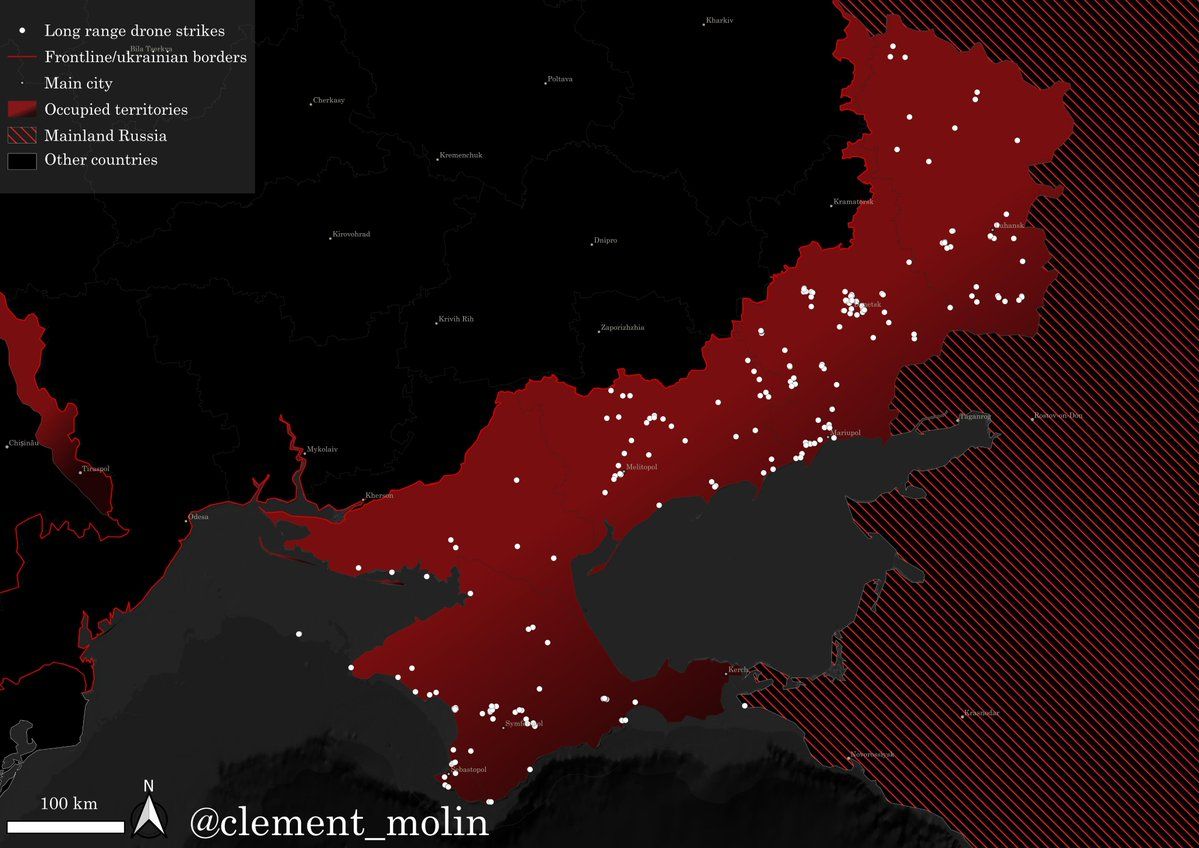
Ukraine conducted another long-range strike targeting Russian assets in southern occupied Ukraine, bringing the total to over 400 strikes this year. This was a nice thread summarizing where things are and how things are going. Short of it, without the fluff, it's more or less a stalemate, though the losses are much heavier on the Russian side to maintain that same position.
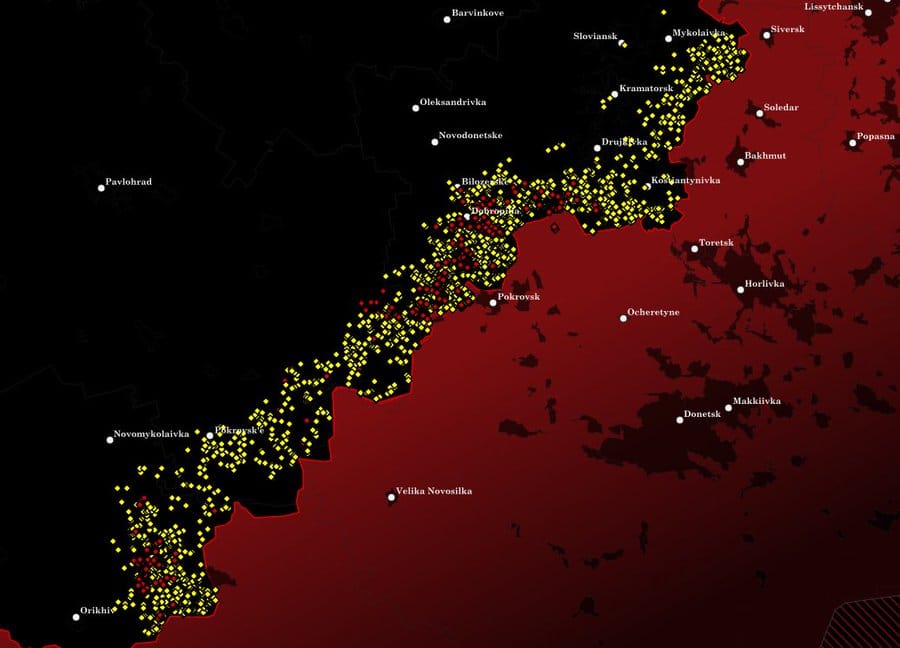
On the other side, Russian FAB strikes in 2026 occurred from the Donets river to Hulialpole, with yellow markers for February and March and red for April, focusing on Pokrovsk and Hulialpole. The front is getting more and more hardened by both sides, which is my point, and these graphs illustrate exactly how much activity there is that would make serious gains unlikely on either side.
Russia is facing growing problems maintaining its Antonov aircraft fleet due to a lack of spare parts and a lack of access to Ukrainian design bureaus, components, and support. Just this winter, an An-22 broke apart mid-air during a flight after fresh repairs, killing all its crew, while a recent An-26 crash in Crimea resulted in the death of 29 people on board, including a general and other high-ranking personnel. The issue affects the entire fleet, including civilian Antonov aircraft. Last summer, a passenger An-24 crashed due to technical failures, killing all 48 people on board. These sanctions are in full effect, and they do show that it's working, albeit painfully slowly. It also proves that relying on 3rd parties for your war machine is an awful idea strategically, if you are likely to be sanctioned by those 3rd parties.

Putin declared a unilateral Easter ceasefire in Ukraine and urged Kyiv to follow suit. Russia declared an Easter ceasefire at 16:00 on 11 April, but by 07:00 the next morning, Ukraine's military had documented 2,299 violations. This is the second consecutive Easter on which Russia has declared a truce and then violated it. You know how you can tell Putin is lying? He's talking. 🤡
Heavy explosions occurred in Tver, Russia, with footage showing something being hit after already being hit before.

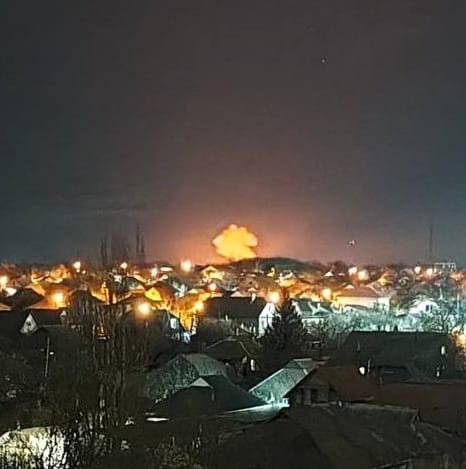
Ukrainian forces carried out strikes in the Russia-occupied town of Perevalsk in Ukraine's Luhansk Oblast, where a fire broke out at the targeted site. In both of these cases, I saw almost no explanations or bomb assessments.
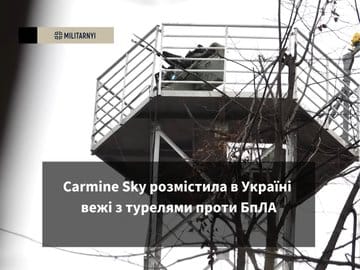
The Ukrainian company Carmine Sky has begun installing towers equipped with Sky Sentinel remotely controlled turrets to counter Russian drones, including Shaheds. This is the modern-day equivalent of WWII flak towers. By having them nice and high, the radar isn't blinded by trees, and the line of sight is less obstructed. It looks like, for the time being, these aren't autonomous, but I suspect a very small group of people could monitor and run hundreds of these things along a front. The platforms themselves look simple enough to construct that they wouldn't be a major loss if hit.
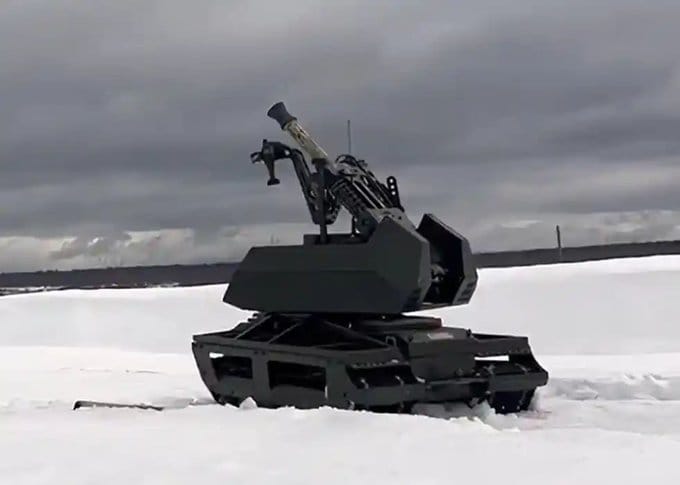
And then there was this weird, top-heavy, short-wheelbase, Russian-made UGV Kurier, equipped with a Bagulnik-82 mortar system mounted on top and a robotic arm for automated reloading. UGVs deployed in Ukraine by both sides, often fitted with machine guns or grenade launchers, are becoming increasingly common. The Russian Bagulnik-82 Robotic Mortar System might be too complex for the battlefield, though, and frankly, too weird. It was likely trying to reuse the existing mortar systems they already had, but it should just be breach-loaded and made significantly more sturdy/wide on the UGV side. That said, I still wouldn't want to be on the other end of one of these remotely piloted muzzle-loaded mortars! Nope!
In European news, Hungarian protesters chanted “Russians go home!” at PM Orbán during a campaign rally, hours after revelations that his foreign minister conspired behind allies' backs and shared EU documents with Sergey Lavrov. The chant echoes the main slogan of the 1956 uprising. Something that almost certainly will not have helped was that Russia’s GRU operatives have been caught attempting to stage a covert false-flag attack to frame Ukraine and disrupt Hungary’s elections through a bombing campaign. Talk about backfiring!
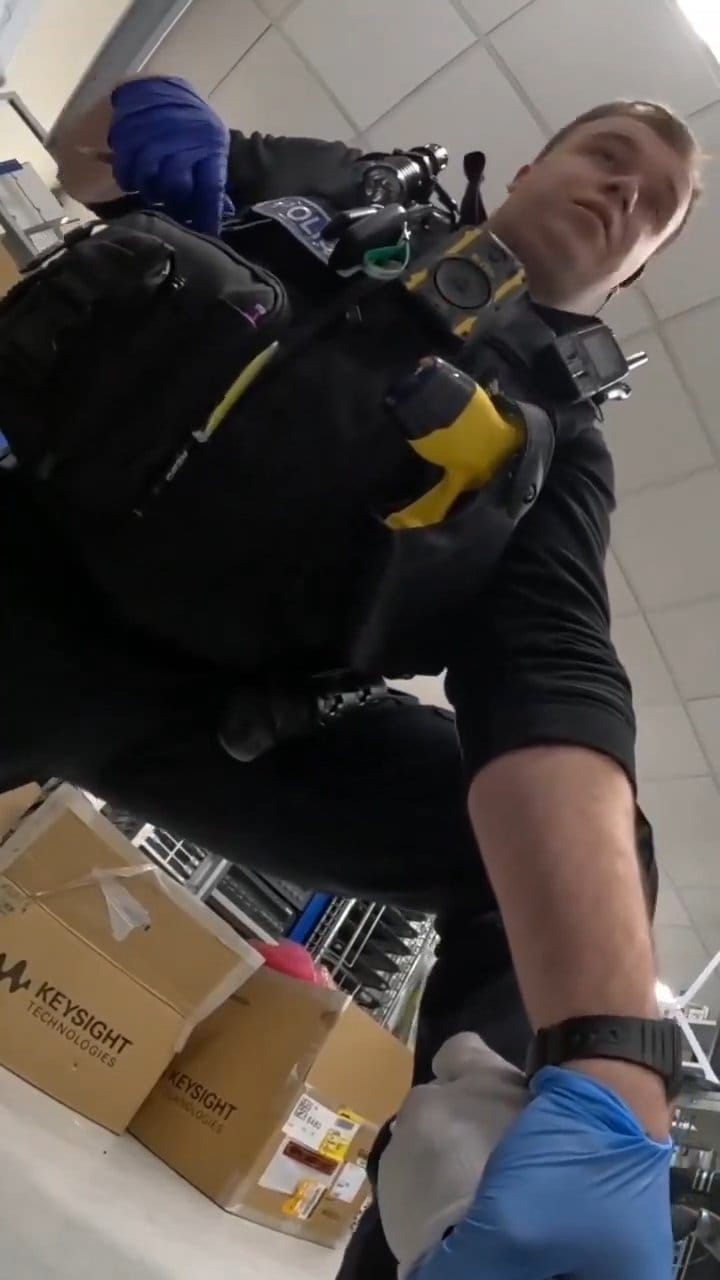
Three Palestine Action activists smashed up a defense firm called Keysight in Hampshire, but were arrested very quickly. This is turning into not just a radical group in rhetoric but also in action, and likely should be treated as domestic terrorists.
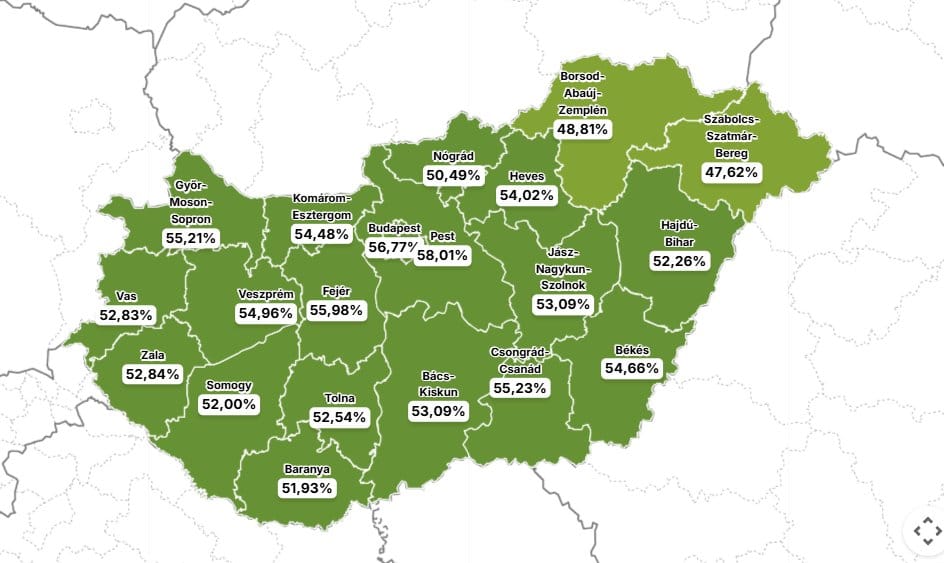
Turnout in Hungary’s historic election reached 54.14% by 1 pm, compared to 40.01% in 2022, when voters could end Viktor Orbán’s 16-year rule. Massive participation aligns with independent pollsters’ predictions of a massive opposition win, with polls closing at 7 pm.
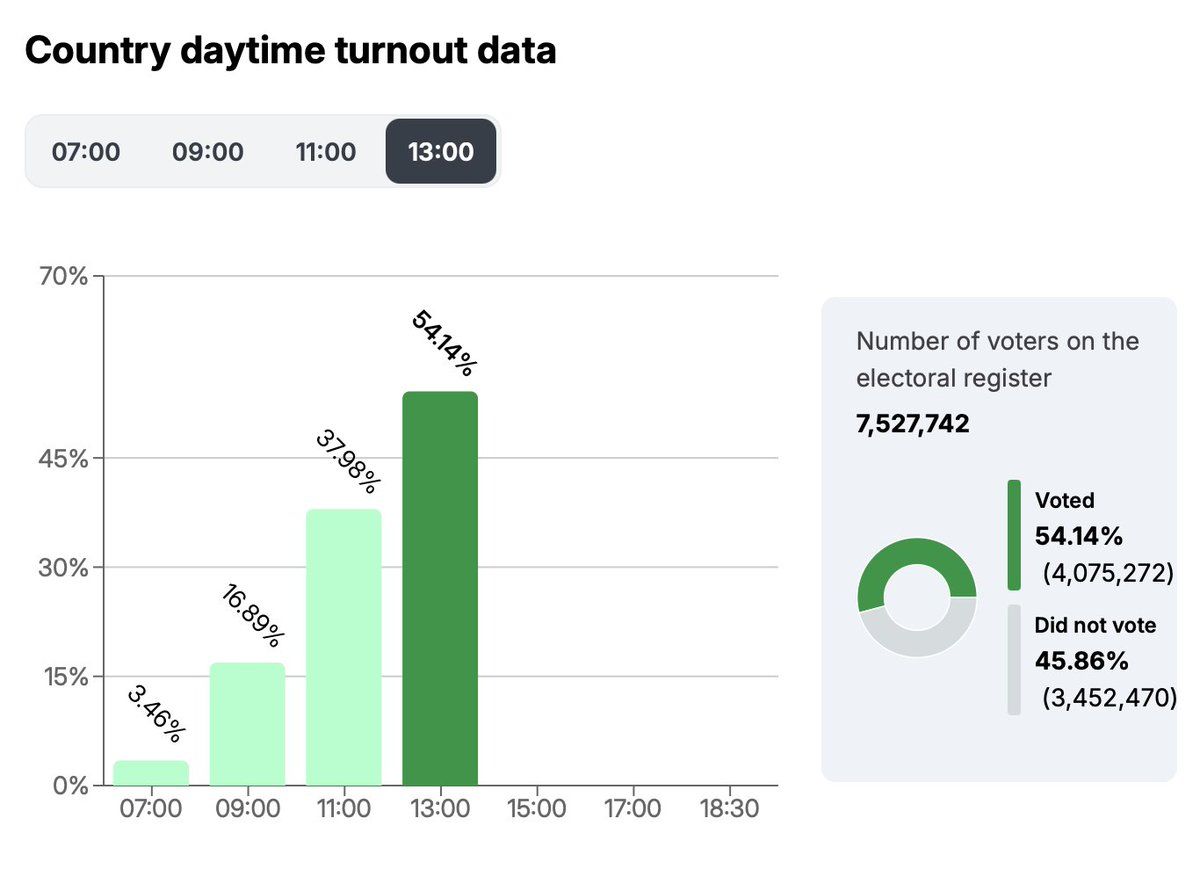
At 1 pm, turnout in the Hungarian election has broken all records, marking very bad news for Orban and Putin. We shall see what happens, but I think it's fairly done at this point, barring election fraud or some unnatural act. And good riddance if so!
In South East Asian news, a hacker group claims it extracted over 10 petabytes of data from a state-run supercomputing facility, widely believed to be the National Supercomputing Center in Tianjin, which supports thousands of clients, including research institutes, aerospace programs, and defense-linked organizations. The data reportedly includes documents marked “secret” in Chinese, missile and bomb schematics, aerospace and aviation research, bioinformatics and fusion simulation data, and files linked to major state entities like AVIC and COMAC. Experts who reviewed sample data say it matches expectations from such a facility, though the full breach is not independently verified. The attacker claims access lasted months without detection, sample datasets were posted online via Telegram, and full access is reportedly being sold for hundreds of thousands of dollars in crypto. If even partially true, it points to a serious vulnerability in infrastructure tied to China’s scientific and defense ecosystem, and would be far, far cheaper than the Lockheed Martin compromise I discussed last week. A few hundred thousand compared to half a billion is quite the cost difference.
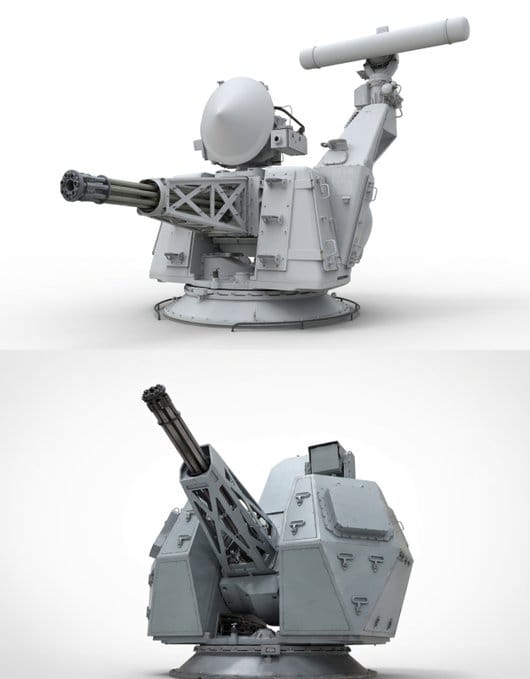
The Republic of Korea Navy is shifting its Close-In Weapon System from foreign reliance to a localized platform. Previously, the Navy used the Dutch 30mm Goalkeeper, but as production ceased, it turned to the American 20mm Phalanx for recent vessels. The need for enhanced destructive power against supersonic threats led to the development of a domestic alternative. Developed by LIG Nex1 and Hyundai Wia, the CIWS-II is in its final development stages and is preparing for mass production. It features a four-faced fixed AESA radar for detection and tracking, and a 30mm Gatling gun. For the Ulsan-class Batch-III frigates, the lead ship ROKS Chungnam was delivered in FFBN status without the CIWS-II, which was still under development. Full-scale installation will begin with follow-up vessels, and ROKS Chungnam is scheduled for retrofitting once mass production starts. I keep thinking that South Korea will be the next big defense contractor in the region, and here is yet another example.
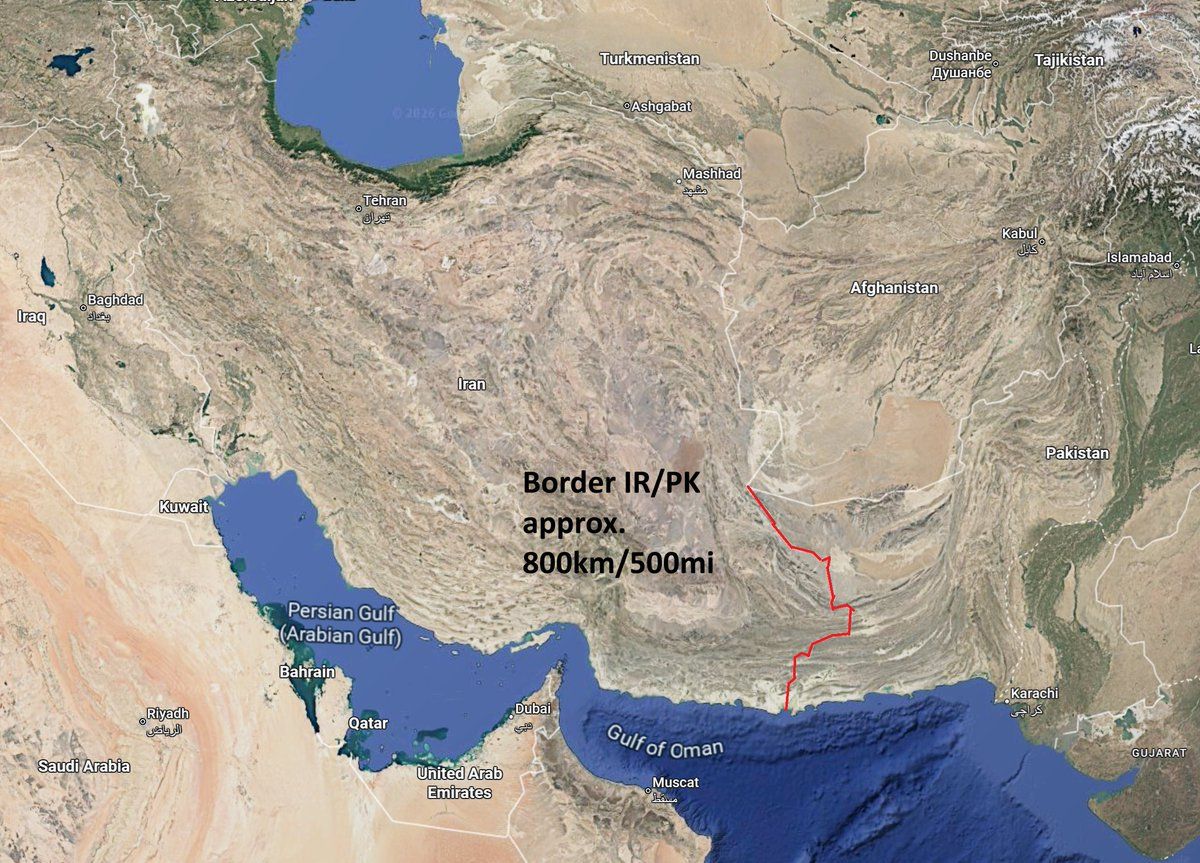
Pakistan is putting so much effort into a ceasefire because it may be thinking that Saudi Arabia will call up the mutual defense treaty and force the alliance into the war. If that happens, Pakistan will be at war with a country with which it shares a large border, so the IRGC should really think this one through. Do they really want to risk being at war with Pakistan, which can offer a lot of support for missions in the south-eastern part of the country, and which controls 500 miles of their border? Pakistan may even get the idea that it would like to expand its territory into Iran. Iran would have a serious peer adversary to contend with.
Okay, onto Middle East News, which is where things went from hot to cold and are preparing to get hot again. The estimated death toll in the 2026 Iran war stands at 7,300 in Iran, 1,530 in Lebanon, 39 in Israel, 28 in Iraq, and 15 in the USA, with 7 in combat. But things looked hopeful for a minute with the ceasefire. Though that didn't even last a day from Iran's perspective, when Tel Aviv coordinated with Washington to ensure it would not accept Iran’s demand to include Lebanon in the ceasefire agreement, according to an Israeli source cited by CNN. Why would Iran care if they weren't the same thing as Hezbollah? Oh, wait, they are. 🤣 CBS reports that Trump had been told the ceasefire would apply to the Middle East and agreed it included Lebanon. Mediators, Iran's foreign minister, and Pakistan's Prime Minister also believed it did, but I guess things changed, and that was not well communicated to Iran.
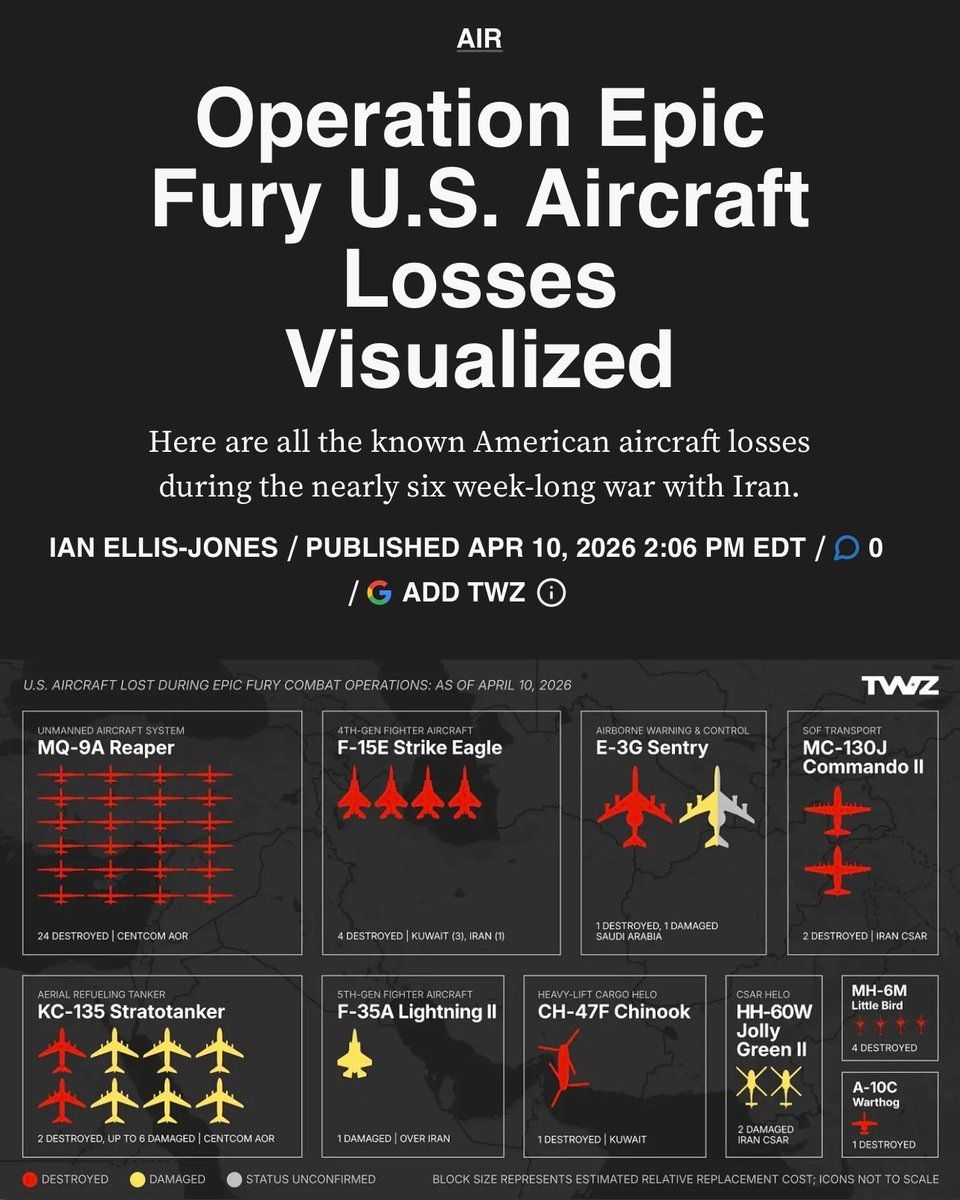
As the dust settles after more than five weeks of sustained U.S. combat operations against Iran, the U.S. lost at least 39 aircraft during Epic Fury, with another 10 damaged, after flying more than 13,000 sorties over 39 days. America’s drone fleet absorbed the heaviest losses, with up to 24 USAF MQ-9A Reaper drones destroyed. Five fighters were downed: four F-15E Strike Eagles and one A-10 Warthog. An F-35A was hit over Iranian airspace, the first known combat damage to a 5th-generation fighter, but the pilot landed safely. Twenty percent of attrition was due to friendly fire, including three F-15Es shot down over Kuwait or deliberate destruction to prevent capture during a combat search and rescue in Iranian territory. Some losses, like the prized E-3G Sentry totally destroyed, will be felt more.
Israel carried out a wave of airstrikes across Lebanon, hitting more than 100 targets in ten minutes, causing chaos in Beirut. Video circulating online shows the aftermath of heavy Israeli airstrikes in Beirut. An Israeli airstrike hit Al-Basta in Lebanon. A video also captures an Israeli missile exploding in the Corniche al-Mazraa district of Beirut.

In recent days, the IDF has fully encircled Bent Jbeil with hundreds of infantry and armored forces, sealing the town from all directions and preventing movement in or out. According to IDF estimates, hundreds of Hezbollah operatives are trapped inside the Shiite stronghold, the second-largest city in the Nabatieh District. Airstrikes and ground fire are ongoing as forces tighten the perimeter and target positions within the town.

U.S. intelligence indicates China is preparing to deliver new air defense systems to Iran within the next few weeks, according to CNN, citing three people familiar with recent intelligence assessments. It's somewhat cute to think that these systems will make it all the way to an effective area without being tracked and destroyed, but China is in a weird spot with regard to Iran. They need their cheap oil, but every day the Strait stays closed is bad for China.
Is the straight closed? Yes and no. Let's begin this by explaining why yes. I have seen a lot of weird one-sided coverage about this, so let me try to explain what is going on. First, you have to understand the geography. Take a look at the following chart. You can see the rectangular area is where Iran has laid naval mines, forcing ships on a northern route bypassing Oman territorial waters, which instead goes through Iranian territorial waters. Iran has said they will allow ships through this corridor, but must fine them for transiting - a shakedown, as some have put it. So while not open, the shipping is heavily metered from the Iranian's point of view.
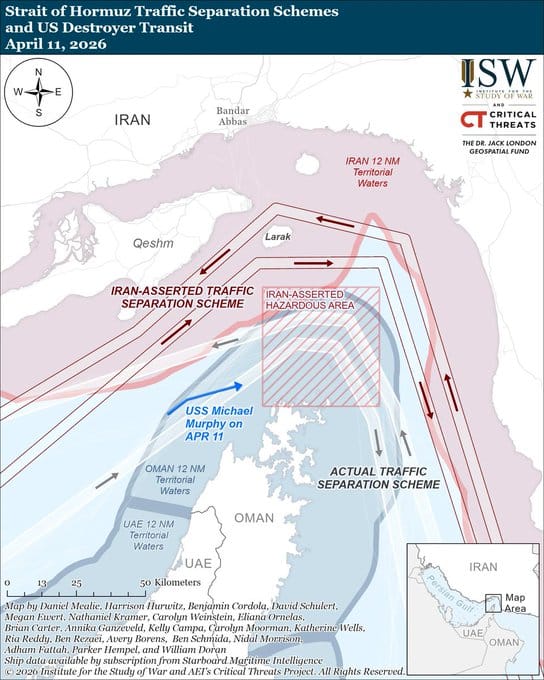
Iran may also just be unable to de-mine, because it has no idea where the mines are. Laying mines that cannot be controlled or located once deployed is a gross violation of international maritime law, especially in international straits, and the international community can legally take action to deal with the problem and defend its right to do so. But Iran may simply lack the ability to demine and is trying to look for alternative upsides associated with its gaffe. Make lemonade out of lemons as it were!
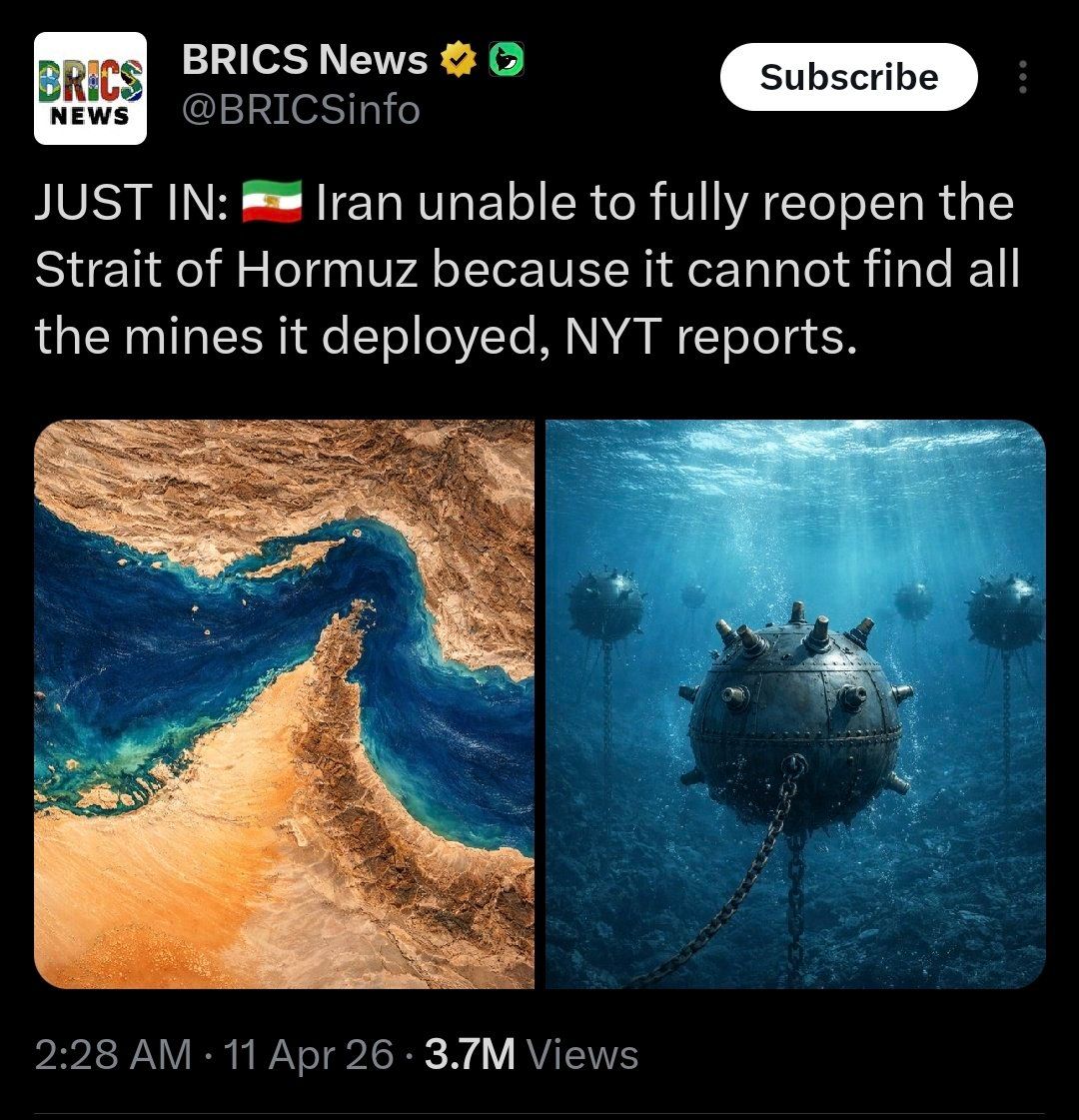
That has led a few ships to pay the fee to get through. Most of the ships that have transited were Chinese ships. These ships have to spend a lot of time going back and forth, presumably while they are negotiating the fee and figuring out how to wire the money to Iran, which makes this a painstaking process and not at all scalable to the larger fleet of ships that want to traverse.
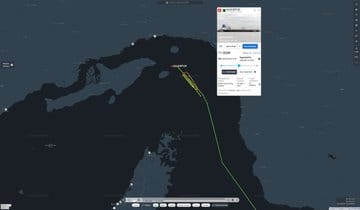
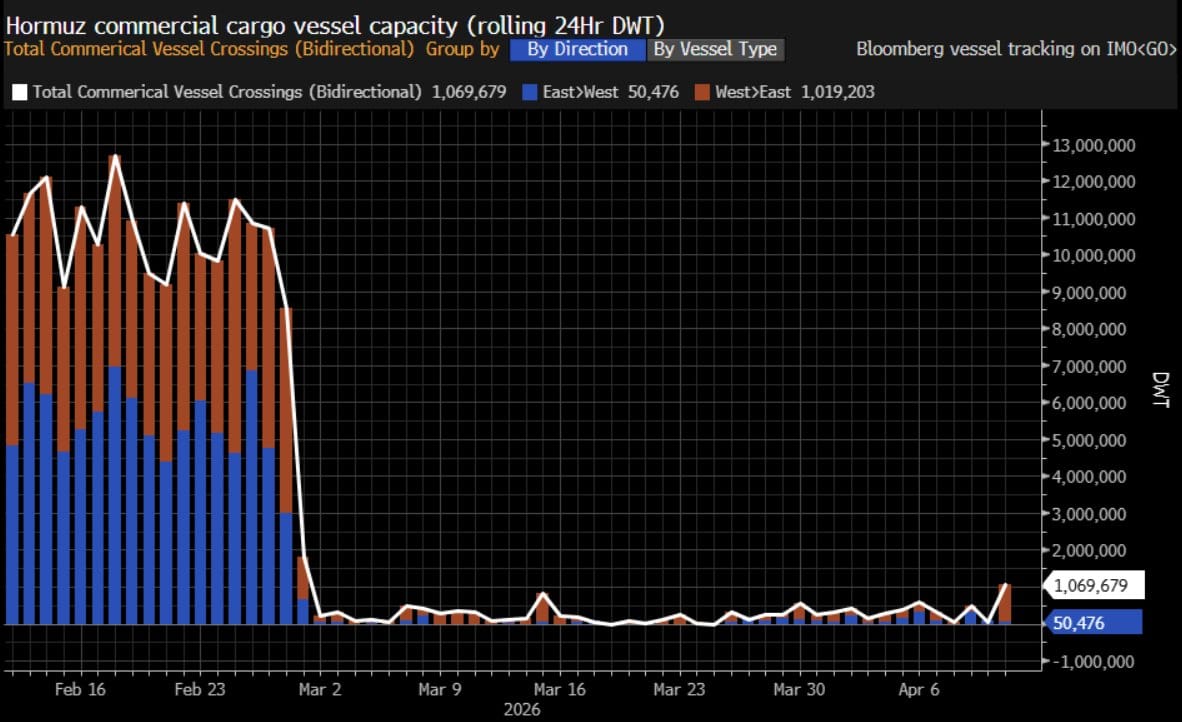
By volume, today's 3 VLCCs represented the largest outbound tanker flow thus far in the Iran War, as shown by deadweight tonnage in Bloomberg data. Still, pretty pathetic, compared to pre-war levels, so even the "yes, it's open" has a massive caveat even for the tonnage that is able to traverse.
Now comes the peace talks that fell apart. Islamabad talks did not reach a deal over issues of trust. Iran wants to ensure a deal will be implemented and the U.S. will not walk away after Iran hands over its enriched uranium and opens the Strait. The U.S. wants both right away, but Iran wants the war definitively over first and guarantees around the deal. The two sides will reassess in their capitals, and there could be another round of talks. The U.S. is surging defensive and offensive military assets to the region, and the war could resume as soon as the middle of this coming week and more intensely than before. Iranians refused to hand over 460kg of highly enriched uranium, offering only to dilute it and keep it on Iranian territory. They refused to discuss abandoning support for proxies like Hezbollah and viewed control of the Strait of Hormuz as a spoil of war.
The U.S. has rejected Iran's charging tolls on ships in the Strait of Hormuz, with the priority remaining free, unrestricted passage, and President Trump not agreeing to Iran collecting such fees, according to White House Press Secretary Karoline Leavitt. But almost immediately after JD Vance left Islamabad, Trump said he intends to close the Straight of Hormuz. Basically, he thinks that by disallowing any ship to traverse after having paid the Iranians, they are reducing the utility of the largest bargaining chip that Iran has - not Iran's plan was a very good one at such paltry passage rates. So a naval blockade it is, effective immediately!
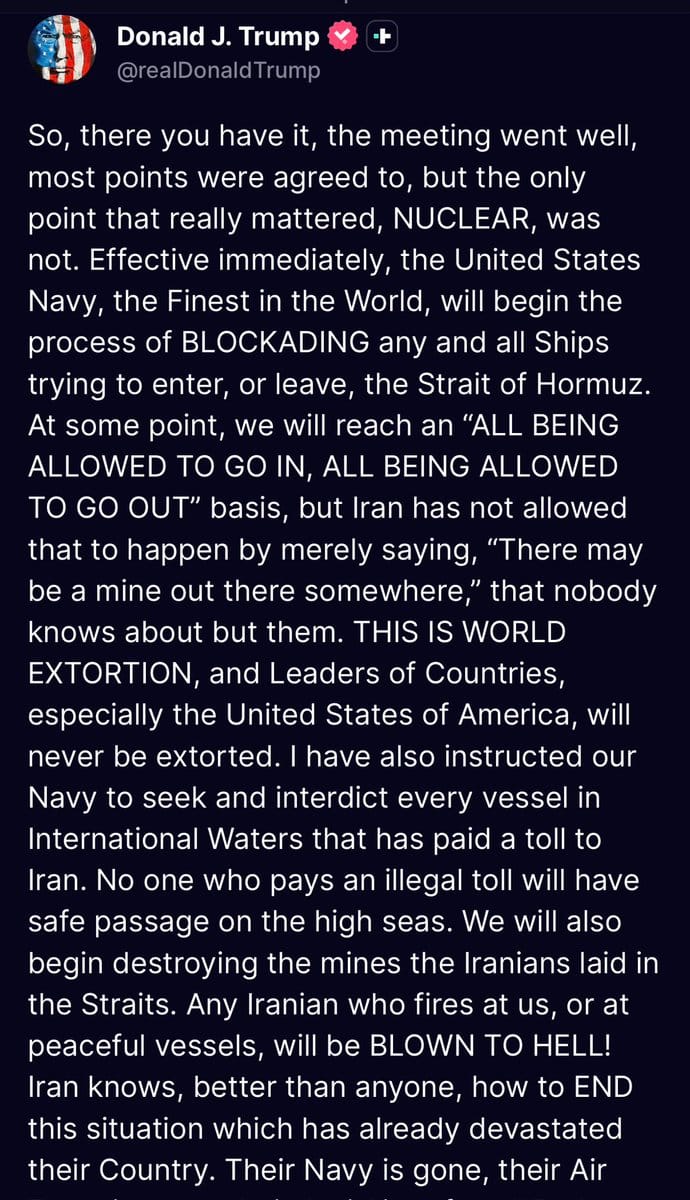
So even in the best of cases, the Strait of Hormuz is metered, but in practice it's now closed. But that has been the consensus among even the media in the region, such as Fars News.
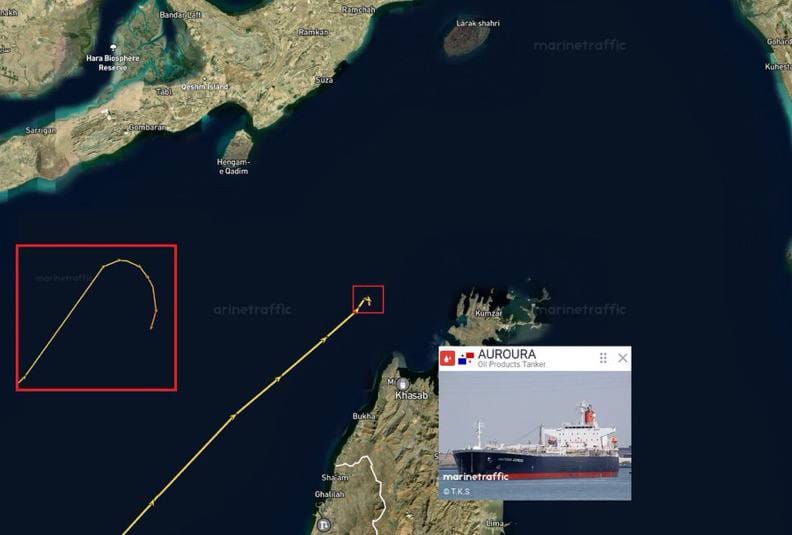
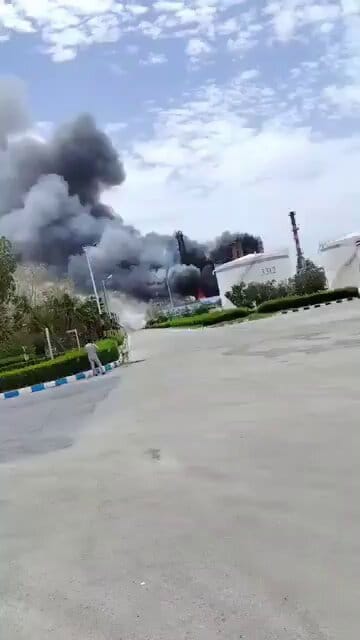
So that is bad, but we're also seeing attacks on oil infrastructure elsewhere in the region, such as Iran's Lavan oil refinery. This could be rogue actors, or proxies, or local commanders who are distributed and poorly coordinating with Tehran, but it does mean that oil is getting more pricey.
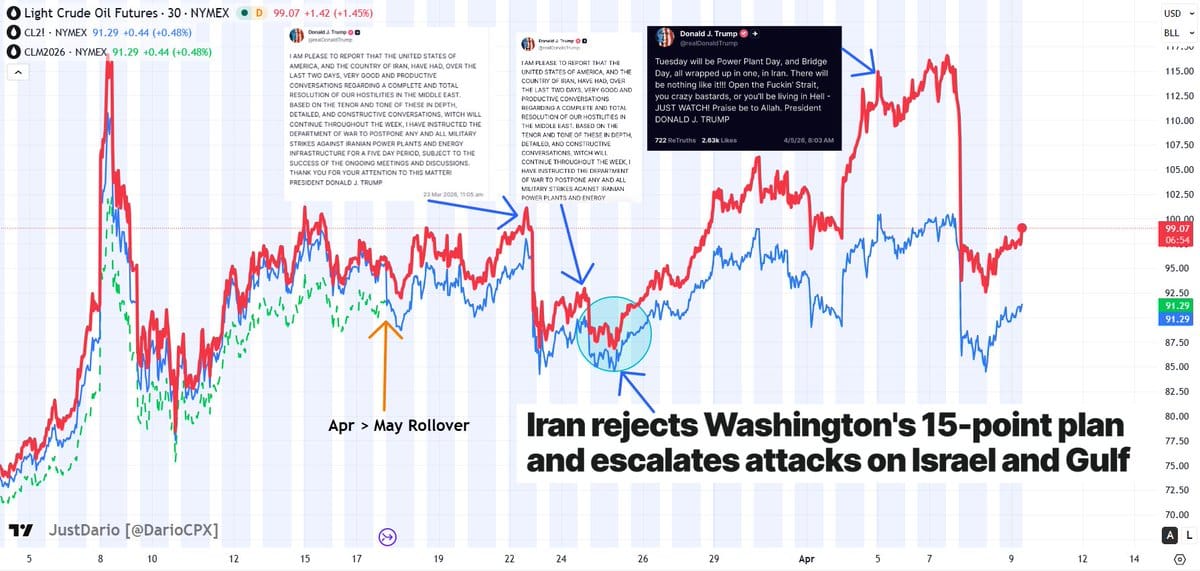
Iran is playing a game of chicken with the US in the oil market, which is political kryptonite for Trump's team. The first time, Iran waited 48 hours before rejecting the US proposal, sending CL May price up to almost $116 by Tuesday, while the "Trump always chickens out" (TACO) believers held up stocks and down the June contract. Oil futures started factoring in supply stress with the spread between CL1 and CL2 hitting ~$16 on Tuesday. The June 26 WTI futures contract only briefly traded above ~$100 since March 9, but the May contract surpassed the ~$110 March 9 high on April 2. During the Easter weekend, Trump lost his temper, posting "open the f-ing Strait" because he was informed oil futures were about to break loose as shorts got squeezed. After brief relief, the squeeze resumed until Monday, when the US pushed Pakistan for direct talks with Iran. Iran seized the opportunity with more leverage, getting public preliminary acceptance of their 10 conditions to end the war, which Trump reposted from FM Araqchi before deleting. Those conditions would not have been accepted if GCC or Israel were involved, but Trump rushed a ceasefire announcement to crash oil futures and avoid a spike that could crash stocks. On Monday, large QQQ short positions were placed with an April 13 expiry. Since Iran pulled out of the ceasefire talks in Pakistan, it may be a problem for oil futures between the May and June rollover. May contracts will run higher as shorts roll to June, forcing traders to price in tightness in June. Additional supply disruptions from strikes on oil infrastructure or Bab-El-Mandeb closure could spark a perfect storm on the June 26 contract, surpassing ~$120 high.
The East-West pipeline is now operating at its full capacity of 7 million barrels per day, according to the Saudi Ministry of Energy. The Strait of Hormuz closure is leading to a shortfall of 20M bbls/day, and Saudi Arabia's pumping 7M bbls/day via the East-West oil pipeline mitigates the blockade effects by 35%. Saudi Arabia's Ministry of Energy reported on April 9 that Iranian attacks cut their East-West pipeline throughput by ~700,000 barrels per day and production by 600,000 barrels per day at the Manifa and Khurais fields. Today, they announced that the East-West pipeline and energy facilities damaged in recent attacks have restored full operational capacity, with the pipeline now pumping ~7 million barrels per day. Manifa field production recovered its lost volume of about 300,000 barrels per day. The East-West pipeline carries crude from eastern fields to the Red Sea port of Yanbu, bypassing the Strait of Hormuz entirely.
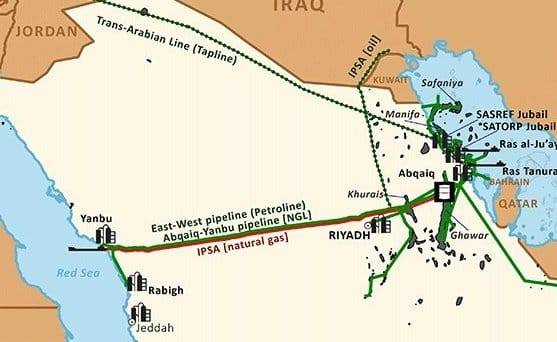
Repairs at the Khurais field are still ongoing, and the ministry will issue a separate announcement once it returns to full production. All of this drives the price of oil... up! And who profits from that? Well, one party is Saudi Arabia. This also means that Saudi Arabia has less incentive to want this war to end quickly, but keep in mind, those pipelines are awfully juicy targets!
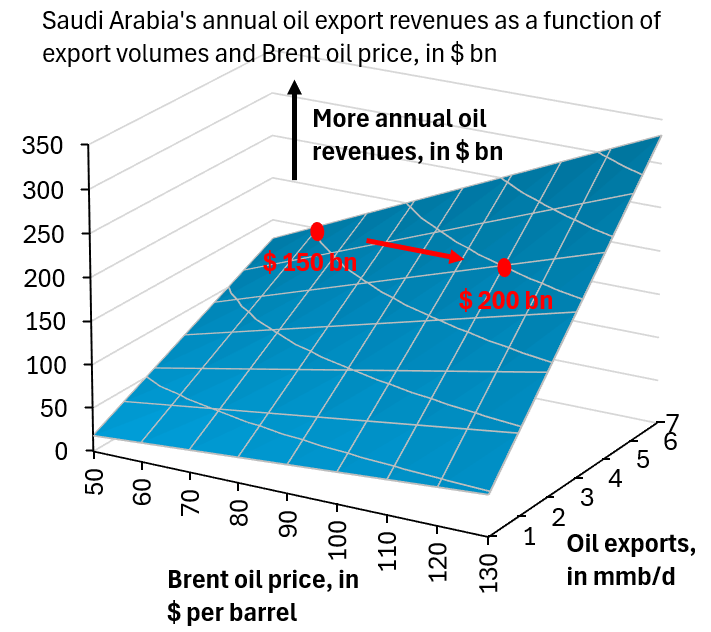
Hundreds of supertankers, each capable of carrying two million barrels, are racing toward the US Gulf Coast from every direction, including the Atlantic, Indian Ocean, around Africa, and routes rerouted from Saudi Arabia. So what is the world to do? Well, easy, the world switched suppliers, with American oil exports approaching record levels and Gulf Coast refineries running at 95% capacity. Supertankers en route from the Persian Gulf to the mid-ocean turned around and headed to Texas, as shown by ship-tracking data.
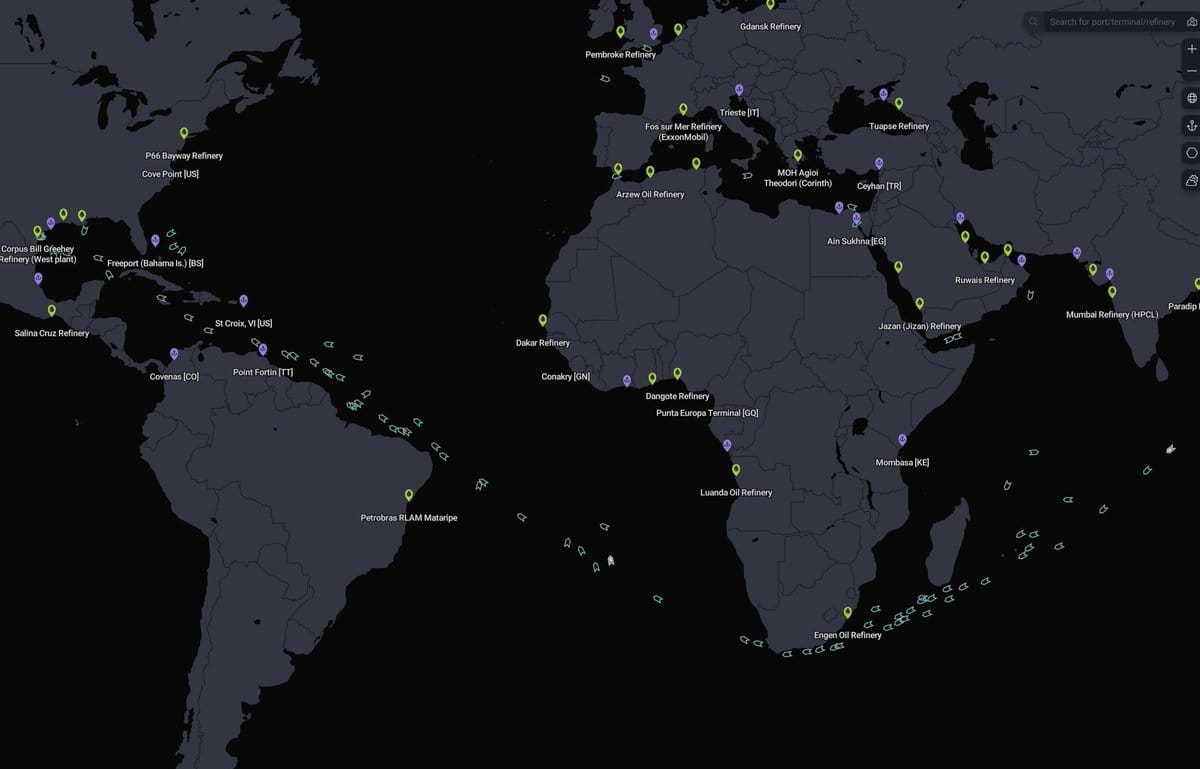
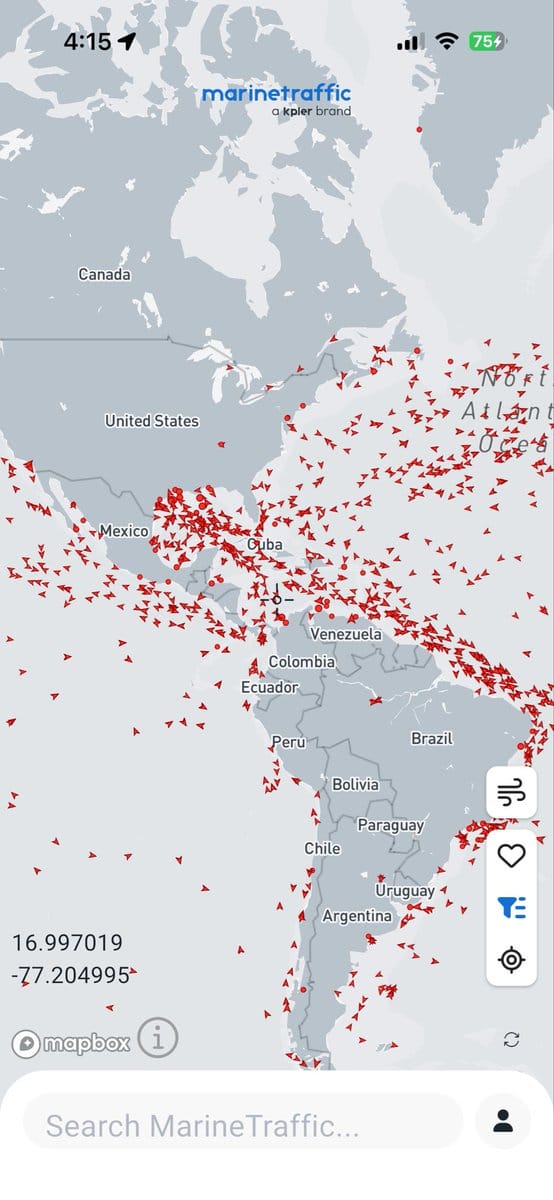
Current view of oil tanker traffic shows a scramble in the Gulf of America due to the Hormuz bottleneck, pushing extra tankers into the Gulf. It will be interesting to see what happens if and when Hormuz opens. We had to become the swing supplier in the meantime, exporting 4.9 billion barrels a day. But part of the problem is we just don't have that many terminals to load all of these incoming ships, and we don't necessarily have the types of oil they need (sweet heavy/sour, etc), and it will take time to get the pumps working in Venezuela. Also, it may drive up pump prices in the US. But there is one massive upside in all of this.
China, which got 45% of its oil imports through Hormuz at basement prices for sanctioned Iranian crude, is now competing with Japan and Europe for expensive American barrels. They are now put in that strange position I was talking about earlier, where they are forced to make nice with the US and side against Iran at least to some degree in order to get their manufacturing back on track. It will greatly hurt the Chinese economy and has already forced them to tap into their strategic reserves. However, the downside is that all of this is leading Chinese manufacturers to raise prices 20% on goods headed to the US, which means American consumers will pay more, or in the best case scenario, switch to cheaper manufacturing options - ideally domestically.
The Strait of Hormuz closure affects more than oil, though: it includes 30% of global helium production, 10% of aluminum production, and 20% of fertilizer production, impacting food production, chips manufacturing, and other industries. So there is a lot at stake here, including a lot of high-tech manufacturing.
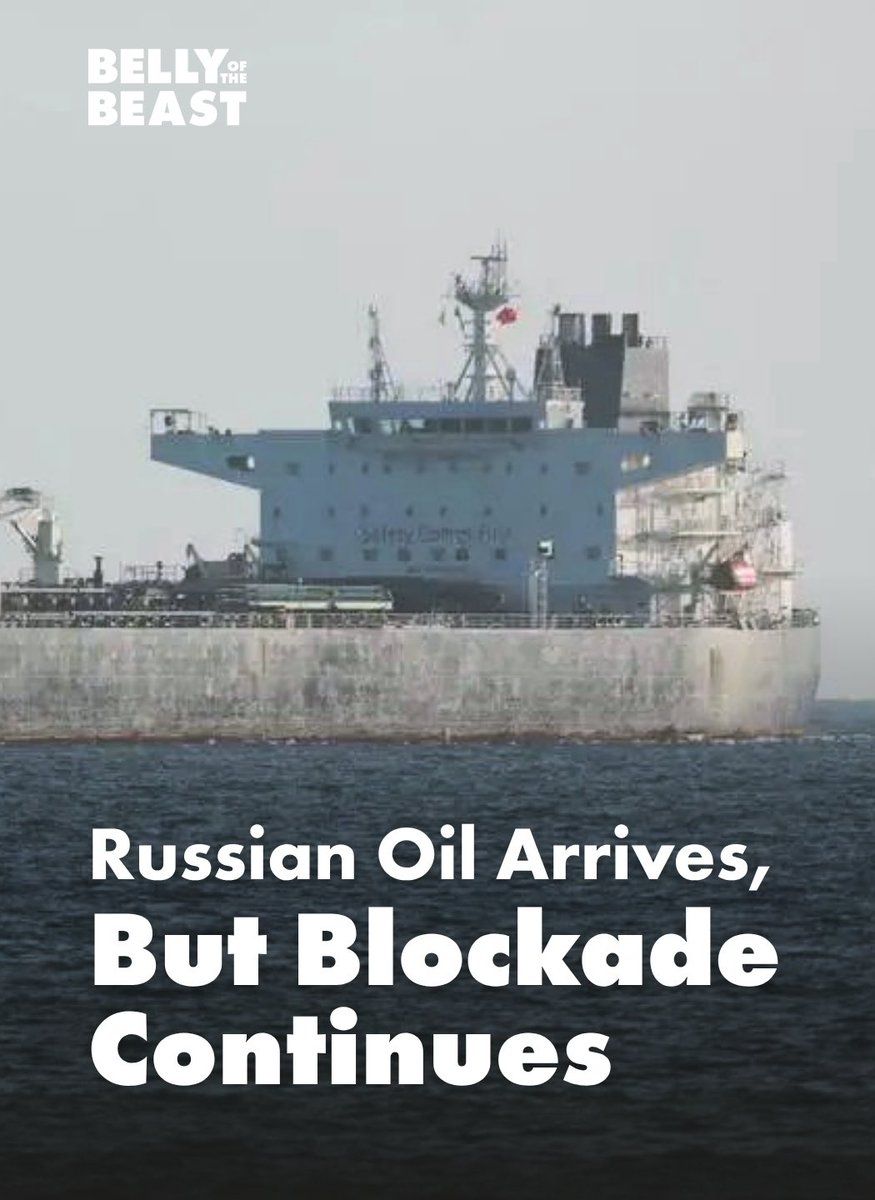
In South of the Border news, the Turkish power ship Belgin Sultan reconnected parts of Cuba to electricity after a Russian tanker delivered 100,000 tons of oil to the country amid US sanctions. The U.S. oil blockade on Cuba was broken last week when Russian tanker Anatoly Kolodkin reached the island on Tuesday with more than 700,000 barrels of oil, the first shipment in three months. I am not exactly sure what the strategy here is, but it is claimed that one or more of these ships was allegedly shadowed by Russia's doomsday sub, the Belgorod, though this is not substantiated by anyone I trust. One reporter asked about the President saying Cuba is next, and Leavitt responded that he meant the Cuban regime is bound to fall. Though it really is not clear what the White House's plan is for Cuba. At a minimum, I suspect they'll wait for hostilities to die down in Iran before they shift to other problematic nations.
In North American News, the FBI and partners arrested a former SOCOM employee for allegedly transmitting classified information to a member of the media. This serves as a message to would-be leakers that the FBI is working these cases and making arrests, and will not tolerate betrayal of the country, but also shows how easy it is to get people to flip, and how compartmentalization is really very critical in these roles.
The FBI and Department of Justice announced Operation Masquerade, a court-authorized technical disruption of Russian GRU infrastructure used to steal government, military, and critical infrastructure information. Since at least 2024, a cyber unit within Russian military intelligence tracked as APT28, Fancy Bear, and Forest Blizzard, has conducted a DNS hijacking campaign worldwide, compromising routers in homes and businesses to steal emails, passwords, and authentication tokens of high-value targets. The FBI operation cut off GRU access to compromised routers in the US and prevented re-exploitation. The FBI also issued a warning to reboot your home routers, which means the malware that the GRU used was likely memory resident only, it cannot survive a reboot. So please reboot those home routers and tell your friends!
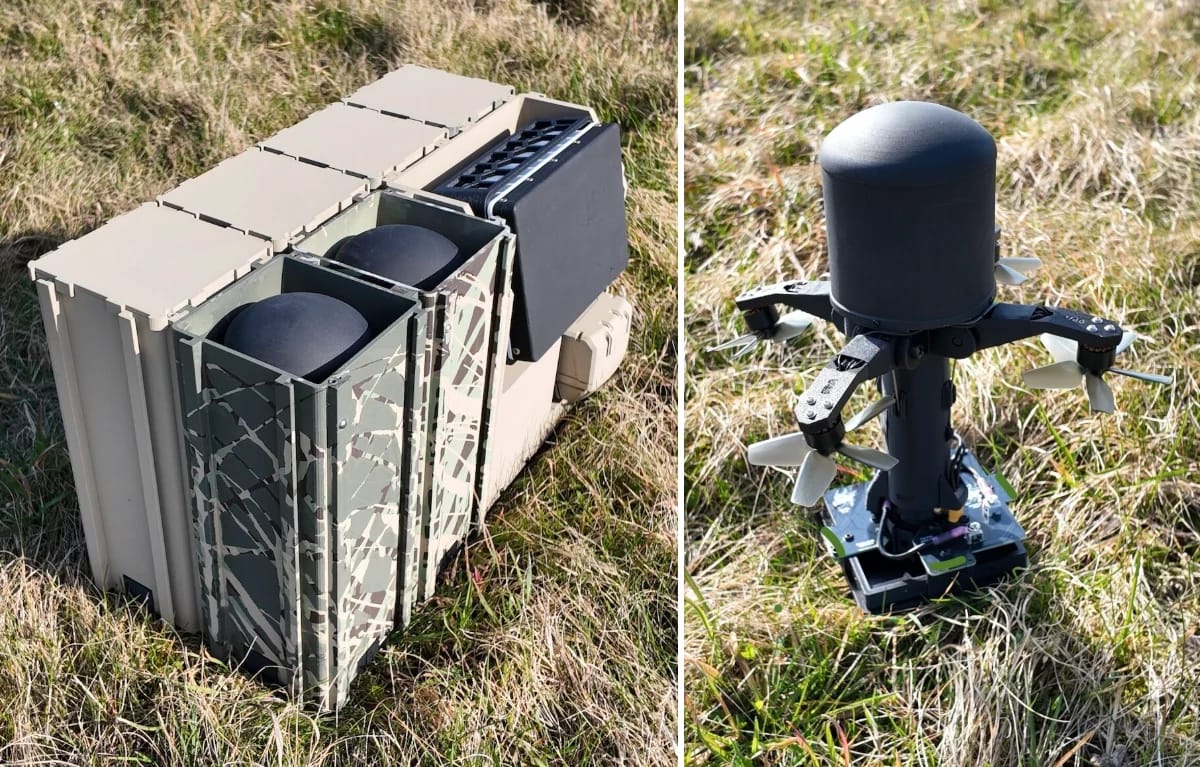
The U.S. company Talon Avionics has developed an active defense system that uses interceptor drones with acoustic guidance to counter FPV drones. Pretty cool concept, but likely depends a lot on wind conditions, the size and shape of the adversarial blades, and other factors. I can also imagine decoy audio would confuse a system like this fairly easily.
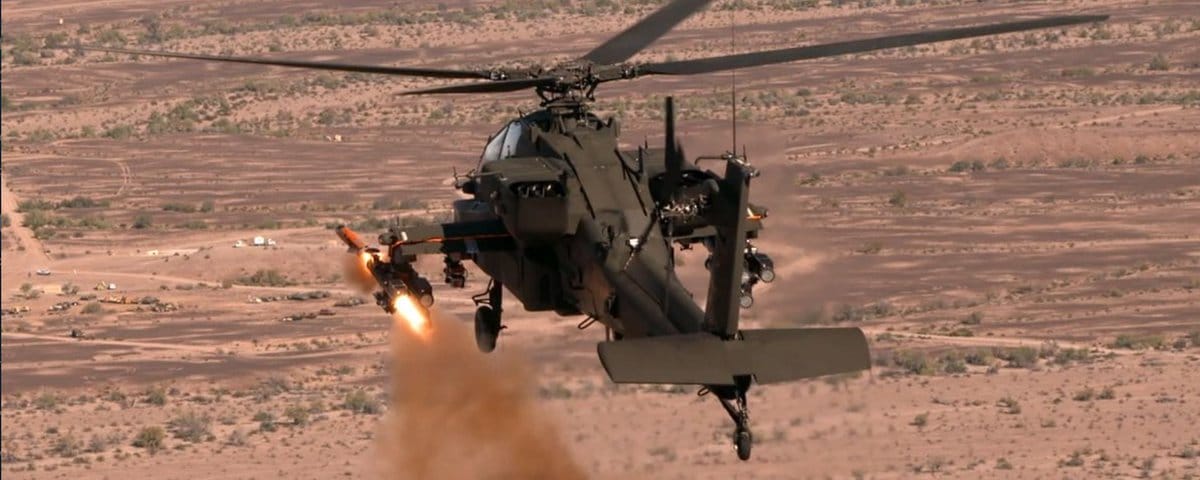
New test footage shows an AH-64 Apache attack helicopter executing a rocket-powered launch of Aduril's Altius-700, the first time an Apache has employed a launched effect. So it is a rocket-boosted drone. The rocket gets it away from the rotor wash, and then it can carry on as a normal drone. Pretty cool system.
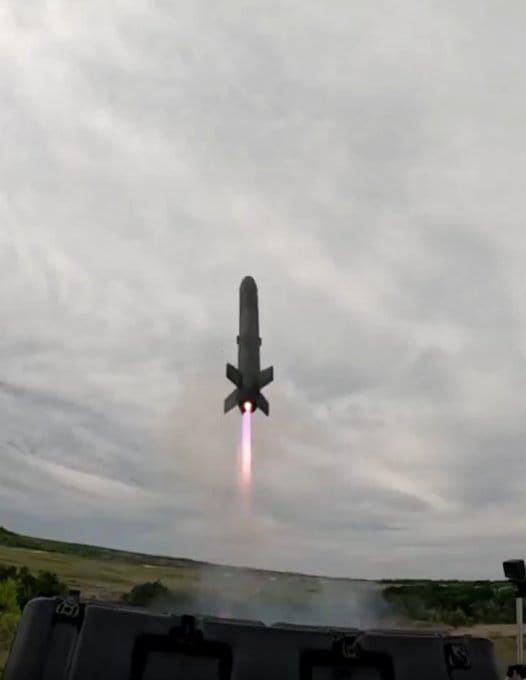
The U.S. Army’s 1st Cavalry Division evaluated Perseus Defense's micro-missile interceptor during Exercise Golden Shield at Fort Hood, testing radar-cued drone intercepts, multi-launch capability, and active guidance against small UAV threats. These are around $10k a piece, so way better cost than the current interceptors. They look pretty janky as they fly, I'll be honest, but keeping the cost down and reliability/hit ratio high is the name of the game, no matter how stupid it looks when it flies.
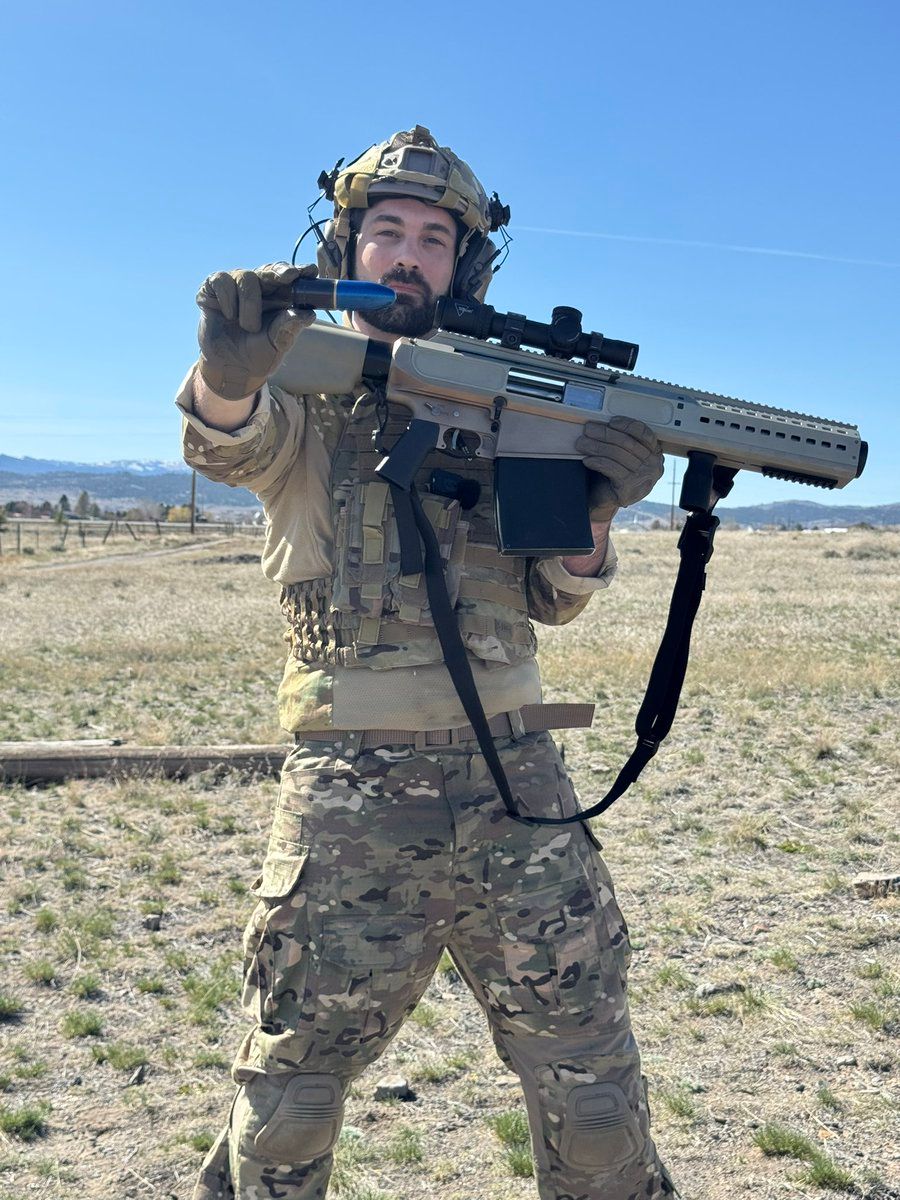
The Army’s new 30mm grenade gun hits targets accurately at over 400 meters and can do past 500, sending a line drive grenade at 680 fps with a 5m kill radius. This is a cool device for many reasons, but especially because it will also be good for drones, and hitting things around corners or in bunkers, which appear to be back in vogue in Ukraine, as an example. It also has a detachable, easily replaced magazine-fed system, with similar ergonomics to a classic military-style carbine, so it'll be easy to pick up and learn for infantry, and easier to carry large amounts of ammo than traditional 40mm tube-launched grenades.
A full statement was made by U.S. First Lady Melania Trump about her interactions with Jeffrey Epstein. Of course, there are a lot of AI-generated fake stories about her and fake images with her and Epstein, likely drummed up by foreign operatives or political adversaries. That said, Trump did have interactions with him, and Melania likely did meet Epstein, which is fueling a lot of this noise. I linked to her whole statement, where most soundbites only capture about a minute of it.

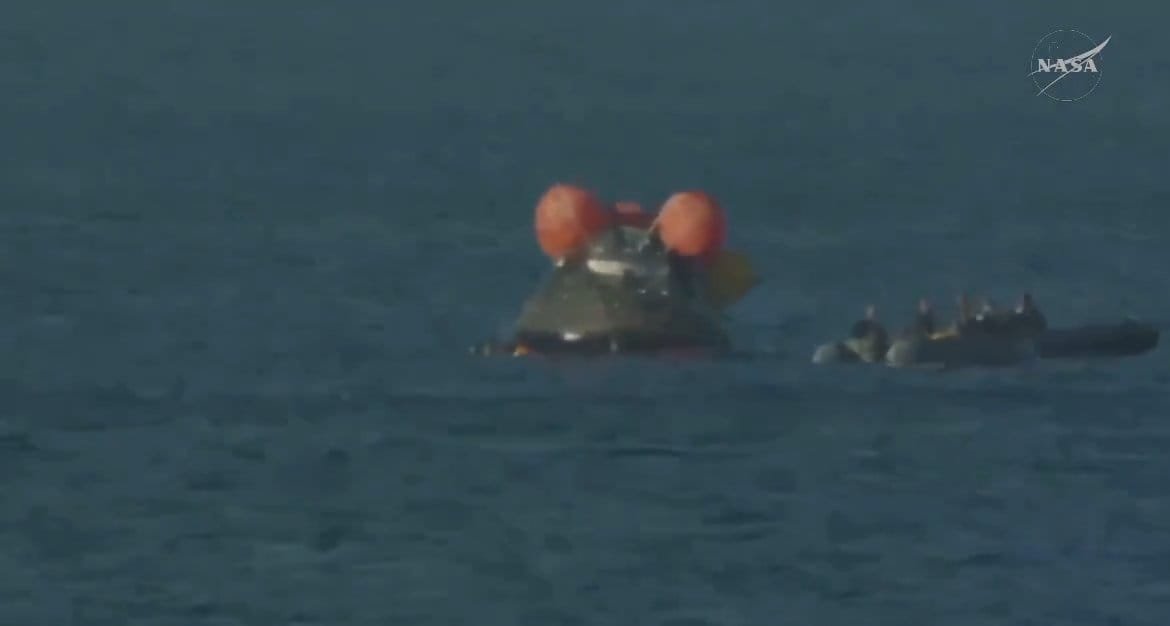
A big congratulations to the Artemis II team, who all landed safely in the ocean. All four astronauts of the Artemis II mission have been medically cleared as “green.” That's big news for the United States in the process of getting humans back to the moon after far too many decades away, and humanity as a whole who needs to start expanding beyond this pale blue dot.
A U.S. appeals court declared unconstitutional a nearly 158-year-old federal ban on home distilling, calling it an unnecessary and improper means for Congress to exercise its power to tax. The 5th U.S. Circuit Court of Appeals in New Orleans ruled in favor of the nonprofit Hobby Distillers Association and four of its 1,300 members, who argued people should be free to distill spirits at home as a hobby or for personal consumption, including to create an apple-pie-vodka recipe. Of course, state law might override it, as it does here in Texas. So no Texas shine for the time being, sadly! Louisiana though? They're about to see a resurgence.
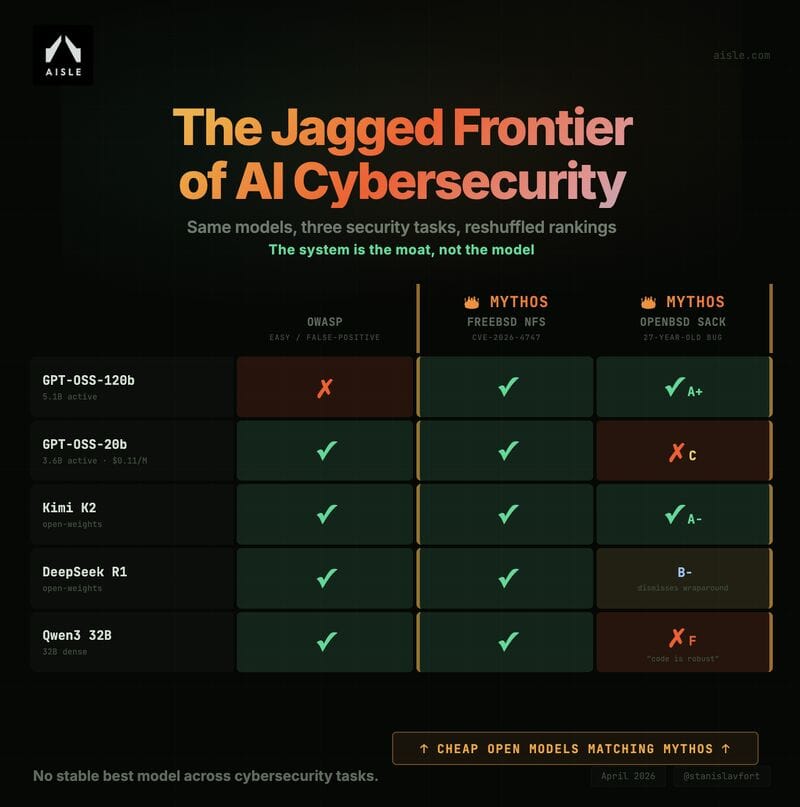
In Tech News, Anthropic introduced Project Glasswing, an urgent initiative to help secure the world’s most critical software, powered by the newest frontier model, Claude Mythos Preview, which, if you believe what's on the package, finds software vulnerabilities better than all but the most skilled humans. However, the reviews have been a lot less spectacular, and this was likely a publicity stunt. The moat in AI cybersecurity is the system, not the model. Many other similar tools have been working since at least 2025, with hundreds of zero-days found, 180+ CVEs and patches in OpenSSL and curl. Many of the thousands of bugs and vulnerabilities Mythos found are in older software and are impossible to exploit, and the severe zero-day reports rely on just 198 manual reviews.
Not a good result, and I suspected we'd see this once the details were released. It turns out this stuff is really, really difficult, and I don't believe the major gains will come from the frontier models, but in the systems needed to support them, which include the tooling necessary to spin up the code bases/operating systems/networks, etc. Open source models like gpt-oss-20b and the Chinese model Qwen3 were finding similar issues to Mythos and for free.
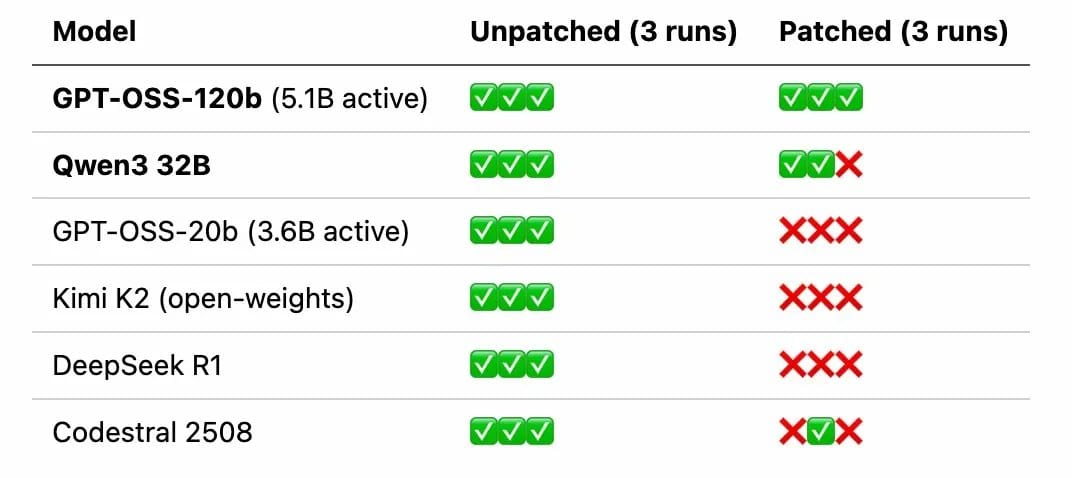
Further, in looking at their prompts, they provide all insight to the LLM upfront, like asking about SEQ_LT/SEQ_GT macros with sequence number wraparound and explaining how an attacker might trigger issues. They give all the required facts and only ask the LLM to connect the dots. This is far, far from being as good as an actual expert would be, especially at anything novel, and is almost all in prompting, which can be replicated into virtually any relatively uncensored model. Is Mythos better? Slightly? Maybe? But it's not the world-ending model that Anthropic was claiming, and shame on them for scaring people. This is a great hype machine for Anthropic, especially with their planned IPO at the end of the year, but it's not a new capability, and I'd dare say it may turn a lot of people off from them in the future with their upcoming announcements. FUD! 👎
The FBI extracted Signal messages from a defendant's iPhone even after the app was deleted, but it's not as scary as it looks, because it was really just the most recent messages in the notifications that were cached. For high-threat model concerns, the fix for Signal is straightforward: go to Settings > Notifications > Show > set to "No Name or Content." You'll still get a notification ping, but iOS won't cache anything useful.

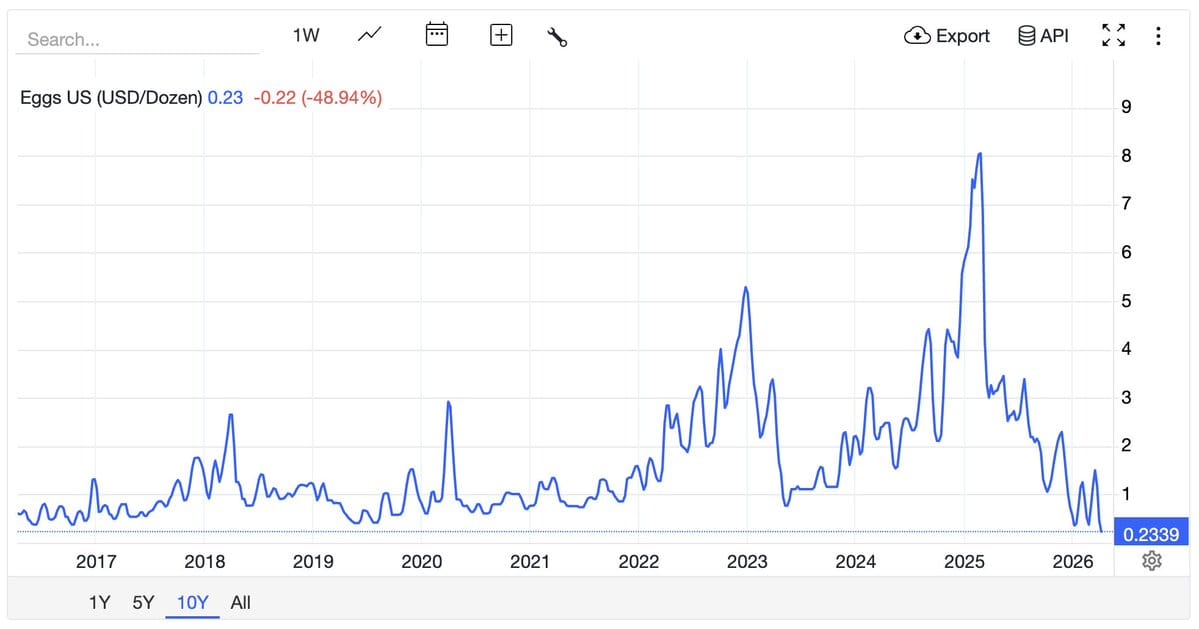
In Economic News, egg prices have collapsed by more than 97% from their March 2025 all-time high and are now trading at the lowest price in over a decade.
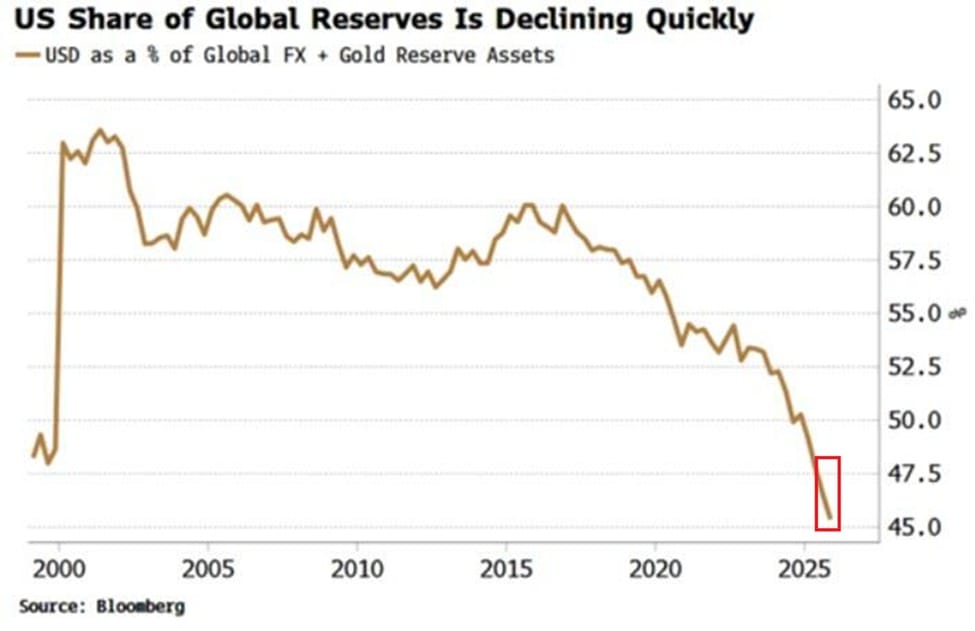
The US Dollar now represents ~46% of global FX and gold reserves, the lowest in at least 26 years, down -15 points since 2017. Excluding gold, it makes up 57% of global reserve currencies, the lowest since 1994, per IMF data. Central banks have aggressively accumulated gold and diversified into other currencies. The last time below 50% was 1990-1991, which was an era of inflation, recession, and a crisis of confidence in the US economy. I think it's mostly a hedge against the uncertainty of the world and the dollar as a result, since it is the world's reserve currency.
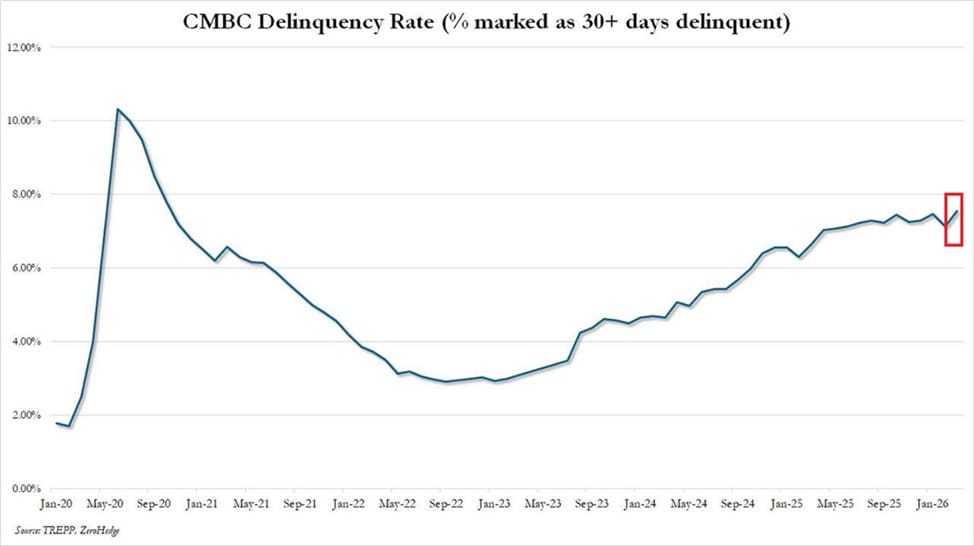
The delinquency rate on Commercial Mortgage-Backed Securities for offices surged +51 basis points in March to 11.71%, the 2nd-highest on record, 1.0 percentage point above the post-2008 peak in 2012. The delinquency rate for multifamily CMBS rose +30 basis points to 7.15%, the highest in 10 years. Overall, the US CMBS delinquency rate rose +41 basis points last month to 7.55%, the highest since the 2020 pandemic, up +450 basis points since 2023. So we know what happened the last time we saw that! That said, being early in shorting mortgage-backed securities hurt a lot in 2007-2008... until it didn't.
Lastly, one of my friends who works for one of the big consultancies told me they are seeing a decline in “sold” work. This is one of the firm’s leading indicators of market downturn and a decision point to slowing/pause on firm spending/hiring. 📉
Okay, onto the articles!
Geopolitics
The proposed U.S. budget for FY27 includes $1.5 trillion allocated to defense, signifying a 44% increase from previous levels, while the State Department's budget faces significant cuts. This budget adjustment reflects a shift towards military engagement and defense spending at the expense of diplomatic and international aid programs, outlining a strategy focused on increasing missile capability and defense industrial production. The U.S. budget deficit continues to expand, raising questions about fiscal sustainability amidst growing national debt.
The U.S. defense budget proposes a $442 billion increase, raising total defense spending to $1.5 trillion.
Simultaneously, the State Department's budget is reduced by 27.9%, indicating a pivot towards militarization of foreign policy.
The national deficit is expected to grow due to increased defense spending and continued tax cuts, amplifying concerns regarding national debt.
[RSnake: We will probably need it, given what is already happening in Iran, let alone any additional conflicts we need to fight, like Cuba/Taiwan.]
Source: https://www.realcleardefense.com/articles/2026/04/11/trumps_fy27_budget_15_trillion_for_the_pentagon_33bn_for_the_state_department_peace_through_missiles_1176069.html
Sri Lanka is facing a humanitarian and economic crisis exacerbated by a severe cyclone and the impacts of the Iran war, which has led to soaring fuel prices and shortages. The cyclone caused unprecedented damage, affecting nearly two million people, while the government struggles with reconstruction efforts amidst dwindling international support and economic challenges.
Cyclone Ditwah caused significant devastation in Sri Lanka, with over 600 fatalities and extensive damage to infrastructure.
The ongoing conflict related to Iran is further straining Sri Lanka's economy, which is already in crisis due to the effects of the cyclone.
International support for Sri Lanka's recovery has been limited, with India providing substantial aid compared to minimal assistance from China.
[RSnake: Bad economic and energy fallout from the war. The losses are thankfully relatively small at just hundreds of people. It could get much worse.]
Source: https://www.bbc.com/news/articles/c4gvkpj0024o?at_medium=RSS&at_campaign=rss
Beirut is experiencing significant destruction following Israeli air strikes that resulted in over 300 casualties amid ongoing conflict with Iran and its ally Hezbollah. The strikes targeted densely populated areas, marking a dramatic escalation in violence in the region. Additionally, the unfolding situation may have wider implications for international trade and stability in the Middle East due to attacks affecting key infrastructure and the Strait of Hormuz.
Israeli air strikes in Beirut have caused over 300 deaths and extensive damage.
The conflict between Israel, Iran, and Hezbollah is escalating, impacting regional stability.
The situation may disrupt trade, especially through the strategically important Strait of Hormuz.
[RSnake: Beirut will never see peace as long as Iran keeps funding Hezbollah to attack Israel.]
Source: https://www.bbc.com/news/videos/c0rx4ve0klyo?at_medium=RSS&at_campaign=rss
Civilian casualties in Ukraine increased by 49% in March 2026, with small drones being identified as the leading cause of fatalities, resulting in 211 deaths and 1,206 injuries. The ongoing conflict has led to significant and escalating harm to civilians, particularly in frontline regions, as well as a substantial increase in the overall number of drone-related casualties over recent years.
In March 2026, 211 civilians were killed in Ukraine, a 49% increase from February.
Small drones accounted for the majority of civilian deaths, with 66 killed by drone strikes.
Since the start of Russia's invasion on February 24, 2022, at least 15,578 civilians have been confirmed killed.
[RSnake: That’s a lot, but comparatively, those are the same kinds of numbers we are seeing every day on the Russian side. 30:1 approximately]
Source: https://euromaidanpress.com/?p=400916
The Strait of Hormuz remains closed to full shipping traffic due to naval mines placed by Iran, which pose a danger to vessels and complicate safe navigation. The situation affects a significant portion of global oil and natural gas supplies, leading to ongoing diplomatic tensions between the United States and Iran, with negotiations over reopening the strait still unresolved.
Iran has deployed naval mines in the Strait of Hormuz, preventing normal shipping traffic.
The closure impacts a major global oil chokepoint, raising international trade concerns.
Diplomatic negotiations involving the U.S. and Iran are ongoing to address safe passage through the strait.
[RSnake: One of my buddies had to egress from Lebanon due to the increase in missiles overhead and attack aircraft, etc. It’s going to get bad on the ground if this escalates.]
Source: https://timesofindia.indiatimes.com/defence/international/why-is-iran-not-reopening-the-strait-of-hormuz-unseen-dangers-at-sea/articleshow/130183144.cms
Taiwan is experiencing a significant political crisis following the 2024 elections, where a divided government has led to institutional gridlock between the presidency and legislature, impeding essential budget approvals, including defense spending. This political deadlock is weakening public trust domestically and undermining Taiwan's strategic credibility internationally amidst rising pressures from Beijing.
Taiwan's political system is facing a severe test due to a divided government, resulting in stalled budgets and legislative confrontations.
The inability to pass defense budgets amid rising tensions with China risks eroding public confidence in Taiwan's military readiness.
[RSnake: China is attempting to strengthen ties at the same time. I think many of the Taiwanese leaders are ready to play ball and know they’ll have new masters soon.]
Source: https://foreignpolicy.com/?p=1226388
China is reported to have made significant advancements in its nuclear weapons capability since the cessation of U.S. nuclear testing in 1992, moving closer to parity with the U.S. nuclear arsenal. U.S. intelligence agencies believe China has conducted covert nuclear tests and is in the process of modernizing its nuclear capabilities, while the U.S. has not increased its arsenal significantly in three decades.
China has improved its nuclear weapons technology significantly since 1992.
Recent U.S. intelligence suggests that China is conducting covert nuclear tests to advance its arsenal.
[RSnake: Hope they get the sea water out of their engines in their ICBMs first. 😆 No, but seriously, they are a real threat, and we need to take them extremely seriously. They aren’t above a first strike, and regularly antagonize peers in the region.]
Source: https://www.realcleardefense.com/articles/2026/04/09/covert_nuclear_testing_and_the_enormous_increase_in_chinese_nuclear_weapons_capability_1175510.html
An active shooter incident occurred at Old Dominion University in Norfolk, Virginia, where Army ROTC cadets intervened to subdue the gunman, who was previously convicted of attempting to assist the Islamic State. During the confrontation, Lt. Col. Brandon Shah was fatally shot while attempting to protect his students, who subsequently provided first aid and attempted to save him.
Army ROTC cadets disarmed a gunman targeting their classroom.
Lt. Col. Brandon Shah was killed while heroically protecting students.
The shooter had previously been convicted for terrorism-related activities.
[RSnake: One of the many, many Iranian cells here in the US. Good on the cadet!]
Source: https://www.military.com/daily-news/2026/04/09/cadets-recount-how-rotc-leader-and-members-subdued-gunman-who-targeted-them-old-dominion.html
Ben Roberts-Smith, Australia's most decorated soldier, has been charged with multiple war crimes, including murder, following allegations of unlawful killings during his time in Afghanistan. This marks a significant moment in Australia as it raises serious questions about the conduct of its military forces and their actions in international conflicts.
Roberts-Smith was charged with five counts of murder, making him the first Victoria Cross recipient to face war crime charges.
The investigation into war crimes by Australian soldiers in Afghanistan was sparked by the 2020 Brereton Report, which found credible evidence of unlawful killings.
[RSnake: We did something similar against Navy SEAL Eddie Gallagher. The 4-part series on Apple is definitely worth watching if you haven’t seen it. I won’t spoil it. It’s called “The Line.” Go watch it.]
Source: https://www.bbc.com/news/articles/czjwp1vjn9lo?at_medium=RSS&at_campaign=rss
The Pentagon has requested a budget of $54.6 billion for the Defense Autonomous Warfare Group, representing a 243-fold increase from the previous year. This significant funding aims to enhance autonomous drone capabilities in response to lessons learned from recent conflicts in Eurasia, including the Russia-Ukraine war and tensions with Iran.
The Defense Autonomous Warfare Group is seeing a dramatic budget increase to scale up autonomous drone operations.
The request highlights a major shift in military strategy towards institutionalizing the use of affordable, autonomous weapon systems.
[RSnake: There you go! Now double it a couple more times.]
Source: https://www.zerohedge.com/military/pentagon-seeks-stunning-243x-budget-surge-drone-warfare-unit-eurasian-wars-reshape-combat
Cybersecurity
In Canada, a cybercriminal group known as Storm-2755 is stealing salary payments from employees by hijacking their accounts through phishing techniques that bypass multifactor authentication. The attackers manipulate email communications within organizations to change direct deposit information, resulting in financial losses for those targeted. This incident reflects broader trends of increasing cyber threats aimed at financial systems and organizational security.
Storm-2755 employs adversary-in-the-middle tactics to steal authentication tokens and session cookies.
The group utilizes social engineering techniques to manipulate communications with HR departments for financial gain.
Recommendations for defenses include blocking legacy authentication and implementing phishing-resistant MFA.
[RSnake: Phishing accounts for about 30% of cyber insurance losses according to our actuary friends.]
Source: https://www.bleepingcomputer.com/news/microsoft/microsoft-canadian-employees-targeted-in-payroll-pirate-attacks/
Anthropic's latest AI model, Mythos, has raised significant cybersecurity concerns due to its ability to uncover long-standing vulnerabilities, leading to an emergency meeting convened by U.S. Treasury Secretary Scott Bessent and Federal Reserve Chair Jerome Powell with major Wall Street CEOs. This model's capabilities have prompted the launch of Project Glasswing, a collaborative initiative among leading tech companies to enhance cybersecurity efforts in response to the evolving risks presented by advanced AI technologies.
Anthropic's AI model Mythos can identify vulnerabilities that were previously undetected for decades.
Project Glasswing aims to address the cybersecurity challenges posed by powerful AI advancements through collaboration among major tech firms.
[RSnake: I think I’ve said my peace about this one, but here’s the kind of things that are happening as a result. Secret meetings all over Washington have spun up, and all because of a dumb marketing stunt.]
Source: https://fortune.com/2026/04/10/bessent-powell-anthropic-mythos-ai-model-cyber-risk/
Hackers have been exploiting a zero-day vulnerability in Adobe Reader since at least December 2025, using crafted PDF documents to steal data and potentially execute commands on compromised systems. This exploit allows threats to operate without user interaction and has been linked to Russian-language phishing schemes. Users are advised to refrain from opening untrusted PDFs until Adobe releases a patch to address this security flaw.
Hackers have been exploiting a zero-day vulnerability in Adobe Reader, affecting users since December.
The exploit allows for data theft and remote command execution without user interaction.
Users are advised not to open PDFs from untrusted sources until a patch is released.
[RSnake: These types of exploits represent around 10-20% of losses, according to my cyber insurance buddies. So less than Phishing but still nasty.]
Source: https://www.bleepingcomputer.com/news/security/hackers-exploiting-acrobat-reader-zero-day-flaw-since-december/
SOC 2 compliance software is increasingly necessary for businesses to manage and automate their compliance processes effectively. Various platforms are available that offer different features, helping organizations prepare for audits while continuously monitoring their compliance status. Companies are urged to evaluate tools based on automation capabilities, integration with existing systems, and the support offered during the compliance journey.
SOC 2 compliance software automates evidence collection and monitoring for audits.
Different compliance platforms cater to diverse business needs, from startups to large enterprises.
[RSnake: I see a ton of companies getting into this space. I think Vanta is probably the frontrunner.]
Source: https://thenextweb.com/news/soc-2-compliance-software-2026
Google has launched Device Bound Session Credentials (DBSC) to enhance security against session theft in Chrome for Windows users, with plans for macOS support. This new approach binds authentication sessions to an individual device using hardware-backed security, rendering stolen session cookies useless and significantly reducing the risk of unauthorized account access.
DBSC binds authentication sessions to specific devices to prevent session theft.
The approach uses hardware-backed security to enhance the security of web applications against malware that steals session cookies.
Ongoing developments aim to improve support for federated identity and integrate advanced registration capabilities.
[RSnake: Sounds a lot like what MacOS is already doing, but maybe a tighter integration that may allow Google to track users as they authenticate.]
Source: http://security.googleblog.com/2026/04/protecting-cookies-with-device-bound.html
Business
The U.S. government is currently facing a significant financial strain, with interest payments on national debt reaching $88 billion per month, totaling $529 billion for the first half of the fiscal year. Concurrently, the national debt has exceeded $39 trillion, resulting in substantial borrowing and a reported deficit of $1.2 trillion for the same period. Efforts to manage this debt are ongoing as fiscal policymakers prepare for future budget considerations.
U.S. interest payments on national debt are $88 billion a month.
The national debt has surpassed $39 trillion, leading to significant borrowing and a large fiscal deficit.
[RSnake: I still don’t think I’ve heard a plan about how we’re going to deal with this. The entitlements are the real problem. Our aging population with tons of Social Security benefits, Medicaid, and Medicare… It’s not going away, and that is the bulk of the US spending that we could divert to paying down that debt. Either spend less or make more.]
Source: https://fortune.com/2026/04/09/us-goverment-speding-interest-defense-education-total/
The U.S. Postal Service is facing a financial crisis, with estimates suggesting it could run out of cash in less than a year without significant reform. Proposed measures include increasing the cost of stamps, suspending payments to a government retirement fund, and reevaluating delivery services amidst ongoing declines in first-class mail revenue.
The U.S. Postal Service has incurred net losses of approximately $18.5 billion over the past two fiscal years.
There is a proposal to increase stamp prices and suspend retirement fund payments to address the financial crisis.
[RSnake: Yes, increase the stamp cost. Clearly. Or how about increasing the cost of spam/bulk messages since no one wants that anyway?]
Source: https://www.nytimes.com/2026/04/11/us/politics/postal-service-finances-mail.html
FedEx has reached a tentative collective bargaining agreement with its pilots' union that includes a nearly 40% pay increase in 2026 and annual raises starting in 2028. This agreement follows intense negotiations and aims to resolve previous conflicts that arose after a prior deal was rejected by pilots. The new agreement must be approved by the union's leadership and ratified by the pilots.
FedEx pilots are set to receive significant pay increases after a long negotiation process.
The tentative agreement will first need approval from the union leadership before being ratified by pilots.
[RSnake: You’re not getting rid of the pilots anytime in the near future, but I suspect a lot of the ground delivery is going to get automated, and those unions will get hit hard.]
Source: https://www.supplychainbrain.com/articles/43829-fedex-reaches-tentative-labor-deal-with-pilots
Got a useful tip? Looking to chat with me? Click here.
Full Disclosure: None of this is advice. This newsletter is strictly educational and my opinions. Please be careful, do your own research, and consult a professional before taking any action based on anything posted here.